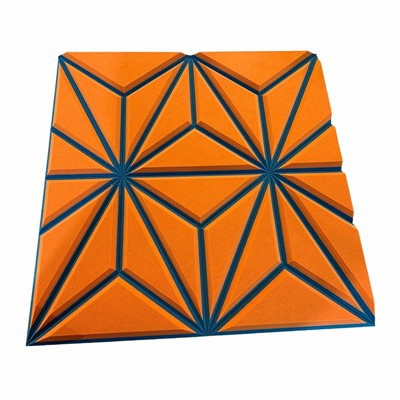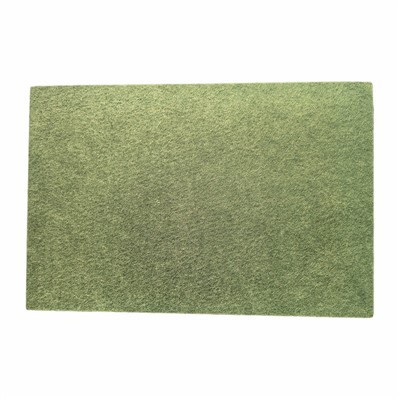

As an acoustic material supplier, I've witnessed the increasing demand for products that not only offer excellent sound - absorbing properties but also possess fire - resistant characteristics. In the following article, I'll delve into the fire - resistant properties of acoustic materials, exploring their importance, types, and how they contribute to safety and comfort in various settings.
The Importance of Fire - Resistant Acoustic Materials
In many environments, such as commercial buildings, educational institutions, and public spaces, fire safety is a top priority. When a fire breaks out, materials can quickly become fuel, accelerating the spread of the flames and releasing toxic gases. Acoustic materials are often installed on walls, ceilings, and partitions in large areas. If these materials are not fire - resistant, they can pose a significant threat to human life and property.
Fire - resistant acoustic materials can slow down the spread of fire, providing valuable time for evacuation and firefighting efforts. They also reduce the amount of toxic smoke produced during a fire, which is a major cause of injury and death. By choosing fire - resistant acoustic materials, building owners and designers can enhance the overall safety of a space without sacrificing acoustic performance.
Types of Fire - Resistant Acoustic Materials
Mineral Wool
Mineral wool is one of the most popular fire - resistant acoustic materials. It is made from natural minerals, such as basalt or slag, which are melted and spun into fibers. These fibers have a high melting point and are non - combustible. Mineral wool can withstand high temperatures for extended periods, making it an ideal choice for fire - proofing applications.
In terms of acoustic performance, mineral wool is excellent at absorbing sound. The porous structure of the fibers allows sound waves to enter and dissipate, reducing echo and reverberation. Mineral wool is commonly used in ceiling tiles, wall insulation, and Acoustic Room Divider due to its combined fire - resistant and acoustic properties.
Glass Wool
Similar to mineral wool, glass wool is made from molten glass that is spun into fine fibers. It is also non - combustible and has good fire - resistant properties. Glass wool can provide a high level of thermal insulation as well as sound absorption. The small air pockets within the glass fibers trap sound energy, converting it into heat and reducing noise levels.
Glass wool is often used in the construction of Acoustic Partition. It can be installed inside partitions to improve both the acoustic and fire - safety performance of a building. Additionally, glass wool is lightweight and easy to handle, which makes it a convenient choice for many construction projects.
Fire - Retardant Foams
Some acoustic foams can be treated with fire - retardant chemicals to improve their fire - resistant properties. These foams are designed to self - extinguish when exposed to flames, preventing the spread of fire. Fire - retardant foams are known for their excellent sound - absorbing capabilities, as they can be engineered to have a specific pore structure that effectively traps sound waves.


They are commonly used in recording studios, auditoriums, and concert halls. Acoustic Screen made from fire - retardant foams can be used to separate different areas within a large space while maintaining good acoustic quality and fire safety.
Fire - Resistance Ratings and Standards
In order to ensure the effectiveness of fire - resistant acoustic materials, various international and national standards have been established. These standards define the minimum requirements for fire - resistance performance, such as the ability to withstand a certain temperature for a specified time, and the amount of smoke and fire spread.
For example, in the United States, the Underwriters Laboratories (UL) has developed a series of fire - resistance ratings. Products that meet these ratings have been tested under strict conditions to ensure their safety and performance. When selecting acoustic materials, it is crucial to choose products that have been independently tested and certified to meet relevant fire - resistance standards.
Applications of Fire - Resistant Acoustic Materials
Commercial Buildings
In offices, shopping malls, and hotels, fire - resistant acoustic materials are essential for both safety and comfort. For instance, in an office building, Acoustic Lighting fixtures with fire - resistant acoustic components can help reduce noise levels between workstations while providing a high level of fire protection. Wall and ceiling panels made from fire - resistant materials can also contribute to a quieter and safer working environment.
Educational Institutions
Schools and universities have a high occupancy rate, especially during class hours. Fire - resistant acoustic materials are used in classrooms, auditoriums, and hallways to prevent the spread of fire and reduce noise interference. By installing these materials, educational institutions can create a safe and conducive learning environment for students and teachers.
Entertainment Venues
In theaters, concert halls, and cinemas, acoustic performance is crucial for the audience's experience. At the same time, fire safety cannot be compromised. Fire - resistant acoustic materials are used extensively in these venues to ensure that in the event of a fire, the spread of flames and smoke is minimized, allowing for safe evacuation.
Challenges and Future Developments
One of the challenges in developing fire - resistant acoustic materials is to balance fire - resistance and acoustic performance. Some fire - resistant treatments can reduce the sound - absorbing capabilities of materials. Manufacturers are constantly researching and developing new technologies to address this issue.
Future developments may focus on using more sustainable and environmentally friendly materials in the production of fire - resistant acoustic products. For example, bio - based materials that are naturally fire - resistant or can be treated with non - toxic fire - retardant agents are being explored.
Conclusion
Fire - resistant properties are an indispensable aspect of acoustic materials. As an acoustic material supplier, I understand the importance of providing products that meet the highest standards of both fire safety and acoustic performance. Whether you're constructing a commercial building, an educational institution, or an entertainment venue, choosing the right fire - resistant acoustic materials is crucial for the well - being of the occupants and the protection of the property.
If you're interested in our range of acoustic materials with excellent fire - resistant properties and would like to discuss your specific requirements, I invite you to initiate a procurement discussion. We're here to help you find the best solutions for your projects.
References
- Building and Fire Codes: International Building Code (IBC) and National Fire Protection Association (NFPA) standards.
- Engineering Handbook for Acoustic and Fire - Resistant Building Materials.
- Research papers on the development of advanced fire - resistant acoustic materials in academic journals.