
As a supplier of V Cut Panels in the market of acoustic solutions, I'm often confronted with numerous inquiries from customers. One of the frequently - asked questions is whether V Cut Panels are prone to scratches. In this blog post, we will delve into the factors that influence the scratch - resistance of V Cut Panels, compare them with other types of acoustic panels, and provide some insights for maintaining their appearance.
Understanding V Cut Panels
V Cut Panels, which you can learn more about at V Cut Panels, are a popular choice in the acoustic panel market. These panels are known for their unique V - shaped grooves, which are not only aesthetically pleasing but also contribute to their acoustic performance. They are typically made from various materials such as fiberglass, wood, and composite materials. Each material has its own characteristics that can affect the panel's scratch resistance.
Material Properties and Scratch Resistance
Fiberglass V Cut Panels
Fiberglass is a common material used in V Cut Panels. It offers good acoustic insulation, is lightweight, and is relatively easy to install. In terms of scratch resistance, fiberglass panels have a moderate level of resistance. The outer layer of fiberglass panels is usually coated with a protective resin. This resin acts as a barrier, reducing the likelihood of scratches from normal wear and tear. However, if a sharp object is dragged across the panel with significant force, the resin coating can be penetrated, resulting in scratches.
Wooden V Cut Panels
Wooden V Cut Panels give a warm and natural aesthetic to any space. They are very popular in interior design, especially in high - end commercial and residential projects. The scratch resistance of wooden panels depends on the type of wood and the finish applied. Hardwoods like oak and maple are more scratch - resistant than softer woods like pine. Additionally, a well - applied lacquer or varnish finish can significantly enhance the scratch resistance of wooden panels by creating a hard, protective layer on the surface.
Composite V Cut Panels
Composite materials are engineered to combine the best properties of different substances. Composite V Cut Panels can be formulated to have high scratch resistance. These panels often contain a blend of polymers and fibers, which create a strong and durable surface. However, the quality of the composite material can vary. Lower - quality composites may be more prone to scratches compared to high - end ones.
Comparison with Other Acoustic Panels
To better understand the scratch - resistance of V Cut Panels, it's worthwhile to compare them with other types of acoustic panels, such as Slat Pet Felt Panels, 3D Acoustic Panels, Grooved Acoustic Panel, and Hexagon Acoustic Panels.
Slat Pet Felt Panels
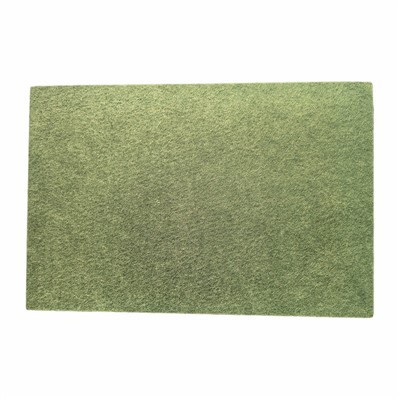
Slat Pet Felt Panels are made of felt material, which is soft and porous. While this material is excellent for sound absorption, it is relatively prone to scratches and abrasions. The fibers in the felt can be easily snagged by sharp objects, resulting in visible damage. In contrast, V Cut Panels made of materials like fiberglass or strong composites generally offer better scratch resistance.
3D Acoustic Panels
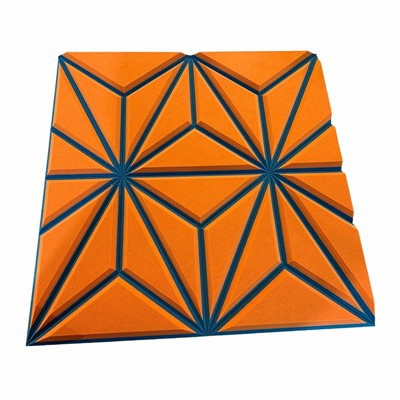
3D Acoustic Panels have a complex three - dimensional structure, which may be made of different materials like plastic, foam, or wood. Plastic 3D panels can have a smooth surface that resists scratches to an extent, but they can be prone to scuffs if rubbed against rough surfaces. Foam 3D panels are very soft and can be easily scratched, while wooden 3D panels share similar scratch - resistance characteristics with wooden V Cut Panels. Depending on the material, V Cut Panels can have comparable or better scratch resistance.
Grooved Acoustic Panels
Like V Cut Panels, Grooved Acoustic Panels have grooves for enhanced acoustic performance. However, their groove design may vary. The scratch - resistance of Grooved Acoustic Panels depends on their material. If they are made from the same material as V Cut Panels, their scratch - resistance will be similar. But differences in the surface finish and the depth and width of the grooves can also affect how easily they get scratched.
Hexagon Acoustic Panels
Hexagon Acoustic Panels come in a variety of materials, including fabric - covered panels and rigid plastic or wood panels. Fabric - covered hexagon panels are highly vulnerable to scratches and tears, while the rigid panel options may have better scratch resistance. V Cut Panels, depending on their material composition, can provide a more reliable level of scratch protection in many cases.
Factors Affecting Scratch Susceptibility
Installation Environment
The environment in which V Cut Panels are installed plays a crucial role in their scratch - resistance. In high - traffic areas, such as public hallways, airports, or shopping malls, the panels are more likely to come into contact with people, furniture, and moving equipment, increasing the risk of scratches. On the other hand, in a private office or a low - traffic residential room, the chances of scratches are significantly reduced.
Maintenance and Cleaning
Proper maintenance and cleaning can help preserve the scratch resistance of V Cut Panels. Using the wrong cleaning agents or abrasive cleaning tools can damage the panel's surface, making it more prone to scratches over time. For example, using a rough scrub brush on a wooden V Cut Panel can wear down the finish and expose the wood to scratches. It's important to follow the manufacturer's recommended cleaning procedures.


Tips to Minimize Scratches
Protective Films
Applying a protective film during installation can be an effective way to prevent scratches during the initial period after installation. This film can be removed once the area is less likely to experience construction - related or other damage.
Furniture Pads
If V Cut Panels are installed in an area where furniture will be placed, using furniture pads on the legs of chairs and tables can prevent scratches from accidental contact.
Regular Inspections
Regularly inspecting the panels for any signs of damage and addressing minor scratches immediately can prevent them from worsening. Minor scratches on some panels can be repaired using touch - up paints or fillers, depending on the material.
Conclusion
In conclusion, whether V Cut Panels are prone to scratches depends on several factors, including the material they are made of, the installation environment, and the level of maintenance. While some materials used in V Cut Panels offer good scratch resistance, others may require more care. Compared to other types of acoustic panels, V Cut Panels can have comparable or better scratch - resistance in many cases.
If you are considering purchasing V Cut Panels for your acoustic needs, we are here to assist you. We can provide detailed information about the scratch resistance of different panel options and offer advice on installation and maintenance. Feel free to reach out to us for a consultation on your specific project requirements.
References
- Acoustic Panel Handbook: A Comprehensive Guide to Acoustic Materials and Applications
- Journal of Building Acoustics: Studies on the Durability and Scratch Resistance of Acoustic Panels
- Manufacturer's Specifications for V Cut Panels and Other Acoustic Panels