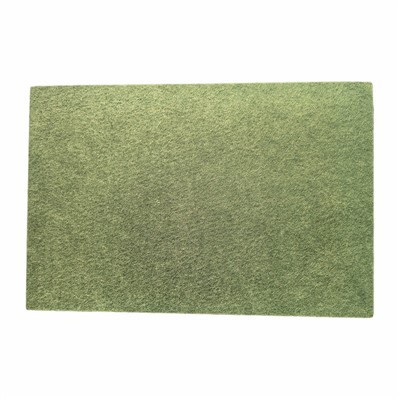

When it comes to enhancing the acoustic environment of a space, acoustic tiles are a popular choice for many. As a supplier of acoustic tiles, one question that frequently comes up from our clients is: "Do acoustic tiles require maintenance?" In this blog, I'll delve into this topic in detail, shedding light on the aspects of acoustic tile maintenance to help you make informed decisions.
Understanding the Basics of Acoustic Tiles
Before discussing maintenance, it's essential to understand what acoustic tiles are and how they work. Acoustic tiles are designed to absorb sound waves, reducing echo and reverberation in a room. They are commonly used in various settings such as offices, recording studios, theaters, restaurants, and even homes. These tiles come in different shapes, sizes, and materials, each with its own unique acoustic properties.
We offer a wide range of acoustic tiles to meet different customer needs. For example, Acoustic Tiles For Walls are specifically designed to be installed on walls, providing excellent sound absorption and aesthetic appeal. V Cut Panels feature a unique V-shaped cut that enhances the acoustic performance and adds a modern touch to the space. 3D Acoustic Panels create a three - dimensional effect, not only improving the sound quality but also making the room more visually interesting. Slat Pet Felt Panels are made of felt material, which is not only eco - friendly but also has good sound - absorbing capabilities. And Hexagon Acoustic Panels offer a unique hexagonal design that can add a touch of style to any room.
General Maintenance Requirements
The maintenance requirements for acoustic tiles can vary depending on several factors, including the material of the tiles, the environment in which they are installed, and the level of use.
Dust and Debris Removal
One of the most basic maintenance tasks for acoustic tiles is the removal of dust and debris. Over time, dust can accumulate on the surface of the tiles, which not only affects their appearance but can also reduce their acoustic performance. For tiles made of materials like fabric or felt, a gentle vacuuming with a soft brush attachment can effectively remove dust. For harder - surfaced tiles, such as those made of wood or fiberglass, a soft, dry cloth can be used to wipe them down regularly.
Cleaning
In some cases, more thorough cleaning may be required. If the tiles are stained or dirty, a mild detergent solution can be used for cleaning. However, it's crucial to test the cleaning solution on a small, inconspicuous area of the tile first to ensure that it does not cause any damage. For fabric - covered acoustic tiles, a professional fabric cleaner may be needed to avoid shrinking or discoloration. It's important to follow the manufacturer's cleaning instructions carefully to prevent any potential damage to the tiles.
Inspection
Regular inspection of acoustic tiles is also an important part of maintenance. Check for any signs of damage, such as cracks, chips, or loose tiles. Damaged tiles can not only affect the aesthetic of the space but also compromise the acoustic performance. If any damage is detected, it should be repaired or replaced as soon as possible.
Maintenance Based on Material
The material of the acoustic tiles plays a significant role in determining the maintenance requirements.
Fabric - Covered Acoustic Tiles
Fabric - covered acoustic tiles are popular for their soft appearance and excellent sound - absorbing properties. However, they require more delicate care. As mentioned earlier, dust should be removed regularly using a soft brush attachment on a vacuum cleaner. For stains, spot cleaning with a mild fabric cleaner is recommended. Avoid using harsh chemicals or abrasive cleaners, as they can damage the fabric.


Wood Acoustic Tiles
Wood acoustic tiles add a warm and natural look to the space. They are relatively easy to maintain. To keep them clean, wipe them down with a soft, dry cloth regularly. If the wood starts to look dull, a wood polish can be applied to restore its shine. However, be careful not to use too much polish, as it can attract dust.
Fiberglass Acoustic Tiles
Fiberglass acoustic tiles are known for their high - performance sound absorption. They are generally low - maintenance. Dust can be removed with a dry cloth or a vacuum cleaner. In case of staining, a mild detergent solution can be used for cleaning. It's important to wear protective gloves when handling fiberglass tiles to avoid skin irritation.
Environmental Factors Affecting Maintenance
The environment in which the acoustic tiles are installed can also have a significant impact on their maintenance requirements.
High - Traffic Areas
In high - traffic areas such as office corridors or public lobbies, acoustic tiles are more likely to get dirty and damaged. Regular cleaning and inspection are essential in these areas. It may also be necessary to use more durable types of acoustic tiles to withstand the wear and tear.
Humid Environments
In humid environments, such as bathrooms or kitchens, moisture can cause problems for acoustic tiles. Mold and mildew can grow on the tiles if they are not properly maintained. To prevent this, ensure proper ventilation in the area and clean the tiles regularly with a mold - resistant cleaner.
Industrial Environments
In industrial environments, acoustic tiles may be exposed to dust, chemicals, and mechanical stress. Specialized cleaning methods and more frequent inspections are required to ensure the tiles continue to perform effectively.
The Importance of Maintenance
Maintaining acoustic tiles is not just about keeping them looking good; it also has a significant impact on their acoustic performance. Clean and well - maintained tiles can absorb sound more effectively, ensuring that the space maintains its desired acoustic quality.
In addition, proper maintenance can extend the lifespan of the acoustic tiles. By addressing any issues promptly, such as damage or staining, you can prevent the problem from worsening and avoid the need for premature replacement.
Conclusion
In conclusion, acoustic tiles do require maintenance, but the level of maintenance can vary depending on the material, the environment, and the level of use. Regular dusting, periodic cleaning, and thorough inspections are essential to keep the tiles in good condition and ensure optimal acoustic performance.
As a supplier of acoustic tiles, we are committed to providing our customers with high - quality products and the necessary information to maintain them. If you have any questions about acoustic tile maintenance or are interested in purchasing our acoustic tiles, please feel free to contact us. We are more than happy to assist you in finding the best solutions for your acoustic needs and guiding you through the procurement process.
References
- Acoustics Handbook by Cyril M. Harris
- Sound and Structural Vibration: Radiation, Transmission and Response by Colin H. Hansen and Dewey T. Nashville
- Noise and Vibration Control Engineering: Principles and Applications by Clarence W. Harris