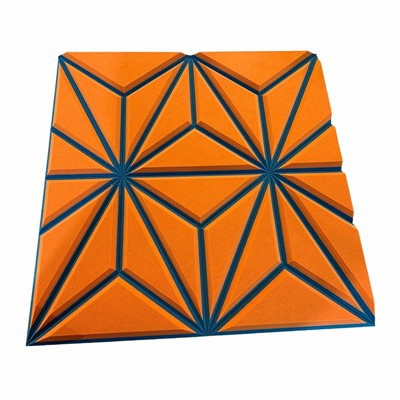

When it comes to creating a comfortable and functional environment in an optometry clinic, acoustic materials play a crucial role. As an acoustic material supplier, I understand the unique requirements of optometry clinics and the importance of choosing the right acoustic solutions. In this blog post, I will explore the various acoustic materials suitable for optometry clinics and how they can enhance the overall patient experience.
The Importance of Acoustics in Optometry Clinics
Optometry clinics are places where patients come to receive eye examinations, consultations, and treatments. A quiet and peaceful environment is essential for accurate diagnosis and effective communication between the optometrist and the patient. Excessive noise can be a major distraction, making it difficult for patients to focus on the examination and for optometrists to provide clear instructions.
Moreover, a noisy environment can also cause stress and anxiety for patients, which can have a negative impact on their overall well - being. By using appropriate acoustic materials, optometry clinics can reduce noise levels, create a more relaxing atmosphere, and improve the quality of care.
Types of Acoustic Materials for Optometry Clinics
1. Acoustic Panels
Acoustic panels are one of the most popular acoustic materials used in optometry clinics. These panels are designed to absorb sound waves, reducing echo and reverberation in the room. They come in a variety of shapes, sizes, and colors, allowing them to be easily integrated into the clinic's interior design.
Acoustic panels can be installed on walls, ceilings, or even as freestanding partitions. They are made from materials such as fiberglass, mineral wool, or recycled polyester, which have excellent sound - absorbing properties. For example, fiberglass acoustic panels are known for their high NRC (Noise Reduction Coefficient) ratings, which means they can effectively reduce noise levels in the room.
2. Acoustic Lighting
Acoustic lighting is a unique acoustic solution that combines lighting and sound absorption. These fixtures are designed to not only provide illumination but also absorb sound waves, making them ideal for optometry clinics.
Acoustic lighting fixtures can be installed on the ceiling or walls, and they come in different styles and designs. They are often made from materials such as fabric or perforated metal, which help to reduce noise while adding a touch of style to the clinic. For instance, a fabric - covered acoustic lighting fixture can blend in seamlessly with the clinic's decor while effectively reducing noise.
3. Acoustic Partition
Acoustic partitions are used to divide a large space into smaller, more private areas. In an optometry clinic, acoustic partitions can be used to create separate examination rooms, waiting areas, or consultation rooms.
These partitions are designed to block sound transmission between different areas of the clinic, providing privacy and reducing noise interference. They can be made from materials such as glass, wood, or metal, and they can be customized to fit the specific needs of the clinic. For example, a glass acoustic partition can provide a modern and open look while still effectively blocking sound.
4. Acoustic Screen
Acoustic screens are portable and flexible acoustic solutions that can be used to create temporary partitions or to reduce noise in specific areas of the clinic. They are often made from fabric or other sound - absorbing materials and can be easily moved and repositioned as needed.
Acoustic screens are ideal for optometry clinics that need to create a more private and quiet environment for patients during examinations or consultations. They can also be used to separate different functions within the clinic, such as the waiting area from the examination rooms.
5. Acoustic Room Divider
Acoustic room dividers are similar to acoustic partitions but are typically more lightweight and easier to install. They can be used to divide a large room into smaller, more functional areas without the need for permanent construction.
Acoustic room dividers come in a variety of styles and designs, including folding dividers, sliding dividers, and freestanding dividers. They are made from materials such as fabric, wood, or metal, and they can be customized to match the clinic's interior design. For example, a fabric - covered acoustic room divider can add a soft and warm touch to the clinic while effectively reducing noise.
Factors to Consider When Choosing Acoustic Materials
When choosing acoustic materials for an optometry clinic, several factors need to be considered:
1. Sound Absorption Performance
The most important factor is the sound absorption performance of the material. Look for materials with high NRC ratings, which indicate better sound - absorbing capabilities. The NRC rating ranges from 0 to 1, with 1 being the most effective at absorbing sound.
2. Aesthetics
The acoustic materials should also match the overall aesthetic of the clinic. Choose materials that are available in a variety of colors and styles, so they can be easily integrated into the clinic's interior design.
3. Durability
Optometry clinics are high - traffic areas, so the acoustic materials need to be durable and able to withstand regular use. Look for materials that are resistant to wear and tear, such as those made from high - quality fabrics or metals.
4. Installation and Maintenance
Consider the ease of installation and maintenance of the acoustic materials. Some materials may require professional installation, while others can be easily installed by the clinic staff. Additionally, choose materials that are easy to clean and maintain to ensure their long - term performance.
Benefits of Using Acoustic Materials in Optometry Clinics
1. Improved Patient Experience
By reducing noise levels and creating a more peaceful environment, acoustic materials can significantly improve the patient experience. Patients will feel more relaxed and comfortable during their examinations, which can lead to better communication with the optometrist and more accurate diagnoses.
2. Enhanced Privacy
Acoustic partitions, screens, and room dividers can provide privacy for patients during examinations and consultations. This is especially important in optometry clinics, where patients may need to discuss sensitive information with their optometrists.


3. Better Staff Productivity
A quiet and comfortable working environment can also improve staff productivity. Optometrists and other clinic staff will be able to focus better on their work without being distracted by excessive noise.
4. Compliance with Regulations
In some areas, there may be regulations regarding noise levels in healthcare facilities. By using appropriate acoustic materials, optometry clinics can ensure compliance with these regulations and avoid potential fines.
Conclusion
In conclusion, acoustic materials are essential for creating a comfortable, functional, and private environment in optometry clinics. As an acoustic material supplier, I offer a wide range of high - quality acoustic solutions, including acoustic panels, acoustic lighting, acoustic partitions, acoustic screens, and acoustic room dividers.
If you are an optometry clinic owner or manager looking to improve the acoustics of your clinic, I encourage you to contact me to discuss your specific needs. I can provide you with expert advice and customized solutions to help you create the perfect environment for your patients and staff.
References
- Beranek, L. L. (1992). Acoustics. American Institute of Physics.
- Kryter, K. D. (1994). The handbook of hearing and the effects of noise: Physiology, psychology, and public health. Academic Press.
- Noise Control Engineering Institute. (2018). Noise control handbook. CRC Press.