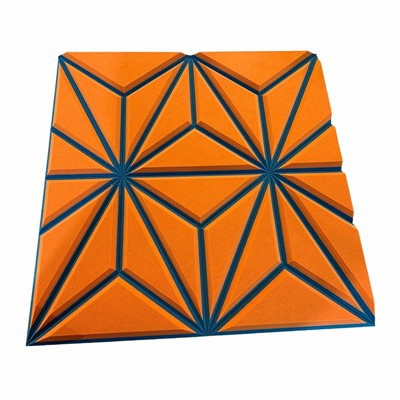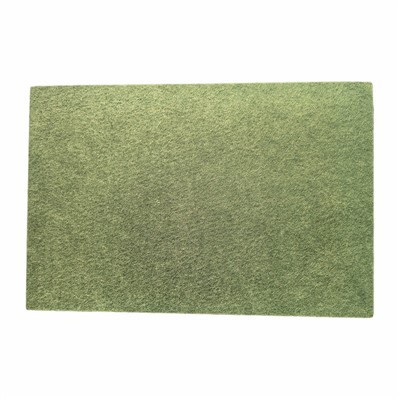

Hey there! As a supplier of Grooved Acoustic Panels, I often get asked about the surface texture of these panels. So, today I'm gonna dive into the question: Do grooved acoustic panels have a smooth or rough surface?
First off, let's talk a bit about what grooved acoustic panels are. These panels are designed to improve sound quality in a space. They work by absorbing sound waves, reducing echoes and reverberations. Think of them as the silent heroes in your room, making your audio experience way better, whether you're in a recording studio, a home theater, or a noisy office.
Now, back to the main question. Grooved acoustic panels can have both smooth and rough surfaces, and each type has its own unique features and benefits.
Smooth Surface Grooved Acoustic Panels
Smooth surface grooved acoustic panels have a sleek and polished look. They're often made from materials like fiberglass, which can be finished to have a smooth exterior. One of the big advantages of these panels is their aesthetic appeal. They give a modern and clean look to any space. If you're going for a minimalist or contemporary design in your room, smooth surface panels can be a great choice.
In terms of functionality, the smooth surface doesn't really affect the sound - absorbing capabilities of the panel. The grooves are the key here. They're designed in a way that sound waves bounce around inside them, eventually losing energy and getting absorbed. However, a smooth surface can make the panels easier to clean. You can just wipe them down with a damp cloth, and they'll look good as new. This is especially useful in high - traffic areas or places where there might be a lot of dust.
For example, in a commercial office, smooth surface grooved acoustic panels can not only reduce noise but also add a professional touch to the workplace. They blend in well with modern office furniture and decor.
You can check out some great options for smooth surface acoustic panels like our Acoustic Tiles For Walls. These tiles are not only aesthetically pleasing but also highly effective at sound absorption.
Rough Surface Grooved Acoustic Panels
On the other hand, rough surface grooved acoustic panels have their own charm. These panels are often made from materials like wood fibers or other porous materials. The rough surface actually adds to the sound - absorbing properties of the panel. It provides more surface area for the sound waves to interact with, which can lead to better absorption.
Another benefit of rough surface panels is their natural look and feel. They can bring a warm and rustic touch to a room. In a home setting, like a living room or a bedroom, rough surface grooved acoustic panels can create a cozy and inviting atmosphere.
But there's a trade - off. Rough surface panels can be a bit more difficult to clean compared to their smooth counterparts. They might trap dust and dirt in the pores of the surface. However, regular vacuuming or gentle brushing can help keep them clean.
If you're interested in rough surface options, our Slat Pet Felt Panels are a great choice. These panels have a unique texture that not only looks great but also does an excellent job at absorbing sound.
Factors to Consider When Choosing
When deciding between smooth and rough surface grooved acoustic panels, there are a few factors you need to consider.
Aesthetics
As I mentioned earlier, the look of the panel is important. Think about the overall design of the space where you'll be installing the panels. If you want a modern and sleek look, go for smooth surface panels. If you prefer a more natural and rustic feel, rough surface panels are the way to go.
Functionality
If you're in a space where sound absorption is the top priority, rough surface panels might give you a slight edge. However, if you're more concerned about ease of maintenance and a clean look, smooth surface panels are better.
Budget
The cost can also vary between smooth and rough surface panels. Sometimes, rough surface panels made from natural materials can be more expensive because of the sourcing and manufacturing process. So, make sure to factor in your budget when making a decision.
Other Types of Acoustic Panels
Besides our Grooved Acoustic Panels, we also offer a range of other acoustic solutions.
Our 3D Acoustic Panels have a unique three - dimensional design. They not only absorb sound but also add a dramatic visual element to a space. These panels are perfect for places where you want to make a statement, like an art gallery or a trendy restaurant.
If you're looking for something with a different cut, our V Cut Panels are a great option. The V - shaped cuts on these panels create a unique pattern that can enhance the sound - absorbing properties and the overall look of the room.
Conclusion
So, to answer the question, grooved acoustic panels can have either a smooth or a rough surface, and both have their pros and cons. Whether you choose a smooth or rough surface depends on your personal preferences, the design of the space, and your specific needs.
If you're interested in learning more about our Grooved Acoustic Panels or any other acoustic products, feel free to reach out. We're here to help you find the perfect solution for your sound - absorbing needs. Just visit our Grooved Acoustic Panel page for more details.


Don't hesitate to contact us for a detailed discussion about your project requirements and pricing. We look forward to working with you to create a more acoustic - friendly environment!
References
- Construction Materials Handbook: A Guide to Acoustics - Smith, John. 2020.
- Interior Design: Sound and Space - Brown, Emily. 2018.