
When it comes to creating a pleasant shopping environment in department stores, acoustic comfort plays a crucial role. Unwanted noise can be a major distraction for shoppers, affecting their overall experience and potentially reducing the time they spend in the store. As an acoustic material supplier, I understand the importance of choosing the right acoustic materials to enhance the sound quality within department stores. In this blog post, I will discuss some of the key acoustic materials that are suitable for department stores.
1. Acoustic Panels
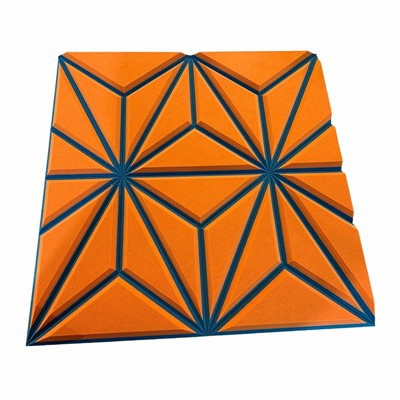
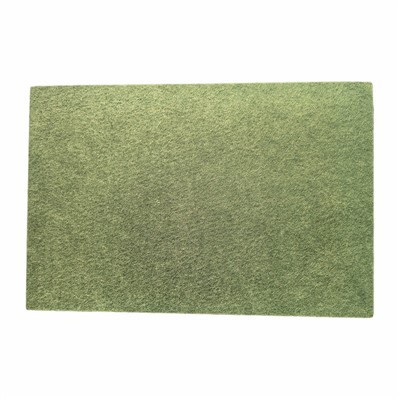
Acoustic panels are one of the most commonly used acoustic materials in department stores. These panels are designed to absorb sound waves, reducing reverberation and echo in large open spaces. They come in a variety of shapes, sizes, and materials, including fiberglass, foam, and fabric.
Fiberglass acoustic panels are known for their high sound absorption coefficients. They are made from fine glass fibers that trap sound waves and convert them into heat energy. These panels are fire-resistant and have a long lifespan, making them a popular choice for commercial spaces like department stores.
Foam acoustic panels are lightweight and easy to install. They are available in different densities and thicknesses, allowing for customized sound absorption. Foam panels are often used in areas where aesthetics are important, as they can be covered with fabric or other decorative materials.
Fabric-wrapped acoustic panels combine the sound absorption properties of fiberglass or foam with a decorative fabric finish. These panels can be customized to match the interior design of the department store, adding both functionality and visual appeal.
2. Acoustic Ceiling Tiles
Acoustic ceiling tiles are another effective way to control sound in department stores. These tiles are installed on the ceiling to absorb sound and reduce noise levels. They come in a variety of materials, including mineral fiber, fiberglass, and wood.
Mineral fiber ceiling tiles are made from a combination of mineral wool and other materials. They are known for their excellent sound absorption properties and are often used in large commercial spaces. These tiles are also fire-resistant and can help improve the energy efficiency of the building.
Fiberglass ceiling tiles are similar to fiberglass acoustic panels but are specifically designed for ceiling applications. They are lightweight and easy to install, making them a popular choice for department stores. Fiberglass ceiling tiles can also be painted to match the interior design of the store.
Wood ceiling tiles add a natural and warm aesthetic to the department store. They are made from real wood and can be stained or painted to match the decor. Wood ceiling tiles have good sound absorption properties and can help create a more comfortable shopping environment.
3. Acoustic Partitions
Acoustic Partition are used to divide large open spaces in department stores into smaller, more private areas. These partitions can be made from a variety of materials, including glass, wood, and metal.
Glass acoustic partitions are a popular choice for department stores because they allow for visibility while still providing sound insulation. They are often used in areas such as dressing rooms, offices, and meeting rooms. Glass partitions can be tempered or laminated for added safety.
Wood acoustic partitions provide a warm and natural look to the store. They can be customized to match the interior design and can be used to create a more intimate shopping experience. Wood partitions are also effective at reducing noise levels.
Metal acoustic partitions are durable and can be used in high-traffic areas. They are often used in areas where security is a concern, such as cash registers and storage areas. Metal partitions can be powder-coated to match the color scheme of the store.
4. Acoustic Room Dividers
Acoustic Room Divider are similar to acoustic partitions but are more flexible and can be easily moved or reconfigured. They are often used to create temporary or semi-permanent partitions in department stores.
Acoustic room dividers can be made from a variety of materials, including fabric, glass, and wood. Fabric room dividers are lightweight and easy to install. They can be used to create a soft and inviting atmosphere in the store.
Glass room dividers provide a modern and sleek look to the store. They allow for visibility while still providing sound insulation. Glass room dividers can be used in areas such as showrooms and event spaces.
Wood room dividers add a natural and warm aesthetic to the store. They can be customized to match the interior design and can be used to create a more private shopping experience.


5. Acoustic Screens
Acoustic Screen are used to block or absorb sound in specific areas of the department store. They can be used to create a quiet zone in a noisy environment or to separate different areas of the store.
Acoustic screens can be made from a variety of materials, including fabric, wood, and metal. Fabric acoustic screens are lightweight and easy to install. They can be used to create a soft and inviting atmosphere in the store.
Wood acoustic screens provide a warm and natural look to the store. They can be customized to match the interior design and can be used to create a more private shopping experience.
Metal acoustic screens are durable and can be used in high-traffic areas. They are often used in areas where security is a concern, such as cash registers and storage areas.
Choosing the Right Acoustic Materials
When choosing acoustic materials for department stores, it is important to consider several factors, including the size and layout of the store, the type of noise sources, and the desired aesthetic. Here are some tips to help you choose the right acoustic materials:
- Assess the noise levels: Measure the noise levels in different areas of the store to determine the type and amount of acoustic treatment needed.
- Consider the aesthetic: Choose acoustic materials that match the interior design of the store. Acoustic panels and ceiling tiles can be customized to blend in with the decor.
- Evaluate the performance: Look for acoustic materials with high sound absorption coefficients. The higher the coefficient, the more effective the material is at reducing noise.
- Consider the durability: Choose acoustic materials that are durable and can withstand the wear and tear of a busy department store.
- Get professional advice: Consult with an acoustic engineer or specialist to determine the best acoustic materials for your specific needs.
Conclusion
In conclusion, acoustic comfort is an important aspect of creating a pleasant shopping environment in department stores. By choosing the right acoustic materials, such as acoustic panels, ceiling tiles, partitions, room dividers, and screens, you can reduce noise levels, improve sound quality, and enhance the overall shopping experience. As an acoustic material supplier, I am committed to providing high-quality acoustic solutions that meet the needs of department stores. If you are interested in learning more about our acoustic materials or would like to discuss your specific requirements, please contact us for a consultation. We look forward to working with you to create a more comfortable and enjoyable shopping environment.
References
- Beranek, L. L. (1992). Acoustics. American Institute of Physics.
- Craven, B. (2007). Architectural Acoustics. Taylor & Francis.
- Fahy, F. J. (2001). Sound and Structural Vibration: Radiation, Transmission and Response. Academic Press.