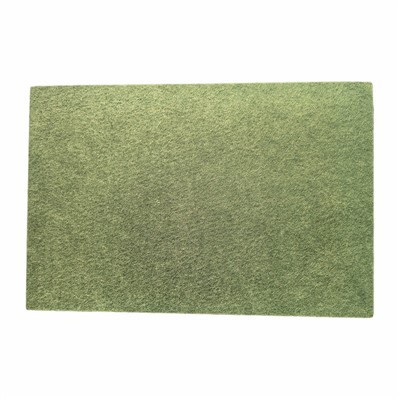

When it comes to pet panels, one question that often pops up is, "What is the weight of pet panels?" Well, I'm here to break it down for you as a pet panels supplier.
First off, let's understand what pet panels are. PET stands for polyethylene terephthalate, which is a type of plastic. These panels are made from recycled PET bottles, which is pretty cool for the environment. They're used in a bunch of different applications, like acoustic insulation in buildings, interior design, and even in some industrial settings.


The weight of pet panels can vary quite a bit depending on a few factors. One of the main factors is the density of the panel. Density is basically how much mass is packed into a certain volume. Higher density panels will generally be heavier. For example, if you're looking at Dark Grey PET Panels, they might have a different weight compared to lighter - density ones.
Another factor that affects the weight is the size of the panel. A larger panel will obviously weigh more than a smaller one, even if they have the same density. If you need a big panel for a large - scale project, you're going to be dealing with more weight.
The thickness of the panel also plays a role. Thicker pet panels tend to be heavier. If you're using PET Felt Acoustic Panels for soundproofing, you might choose a thicker panel for better acoustic performance, but you'll also have to deal with the extra weight.
Let's talk about some typical weights. On average, a standard - sized pet panel (say, around 1 square meter and with a medium density) might weigh anywhere from 2 to 5 kilograms. But this is just a rough estimate. Some lightweight panels could weigh as little as 1 kilogram per square meter, while high - density or thick panels could go up to 10 kilograms or more per square meter.
Now, why does the weight of pet panels matter? Well, if you're installing them yourself, you need to know if you can handle the weight. Carrying around heavy panels can be a real pain, and you might need some help or special equipment.
In a construction or installation project, the weight is also important for structural considerations. The building or structure where you're installing the panels needs to be able to support the weight. If the panels are too heavy for the structure, it could cause problems like sagging or even damage to the building.
For transportation, the weight is a big deal. Heavier panels mean more fuel consumption for trucks, which can increase the cost of shipping. And if you're shipping internationally, the weight can also affect customs and shipping regulations.
When it comes to choosing the right pet panels for your project, you need to balance the weight with other factors. For example, if you're looking for good acoustic performance, you might need a thicker and heavier panel. But if you're on a budget and need to keep the shipping costs down, you might opt for a lighter panel.
If you're interested in PET Felt Panels, we can provide you with more detailed information about their weights and other specifications. We've got a wide range of pet panels to suit different needs and budgets.
Whether you're a contractor working on a big construction project, an interior designer looking to add some style and functionality to a space, or a DIY enthusiast, we can help you find the right pet panels. Our team is always ready to answer your questions and guide you through the selection process.
If you're thinking about purchasing pet panels, don't hesitate to reach out. We can discuss your project requirements, provide you with samples, and give you a quote. We're committed to providing high - quality pet panels at competitive prices. So, if you're in the market for pet panels, let's have a chat and see how we can work together.
References:
- General knowledge about pet panels from industry experience.
- Information on pet panel properties from material science studies.