
As a supplier of acoustic tiles, I've witnessed firsthand the transformative power these products have in various environments. One question that often arises is whether acoustic tiles are suitable for a library. In this blog post, we'll delve into the science, benefits, and considerations of using acoustic tiles in a library setting.
The Acoustic Challenges in Libraries
Libraries are supposed to be quiet havens where people can focus on reading, studying, and researching. However, achieving and maintaining an ideal acoustic environment in a library is no easy feat. Libraries are typically large, open - plan spaces with hard surfaces such as concrete floors, glass windows, and wooden bookshelves. These hard surfaces reflect sound waves, causing echoes and reverberations.


When multiple people are in the library, even the softest conversations, the rustling of pages, or the tapping of keyboards can create a significant amount of background noise. This noise can be distracting and make it difficult for patrons to concentrate. Moreover, the reverberation time, which is the time it takes for sound to decay by 60 decibels after the source has stopped, is often too long in libraries without proper acoustic treatment. A long reverberation time can make speech less intelligible, further hampering the library experience.
How Acoustic Tiles Work
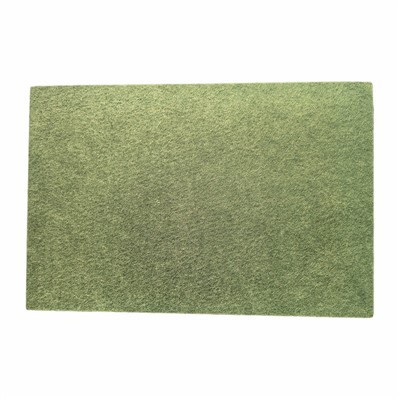
Acoustic tiles are designed to absorb sound energy rather than reflect it. They are typically made from porous materials such as fiberglass, mineral wool, or recycled cellulose. When sound waves hit an acoustic tile, they enter the pores of the material. Inside the pores, the sound energy is converted into heat energy through friction, effectively reducing the amount of sound that is reflected back into the room.
The effectiveness of an acoustic tile is measured by its Noise Reduction Coefficient (NRC) and Sound Absorption Average (SAA). The NRC is a single - number rating that indicates the average sound absorption of a material over a range of frequencies. A higher NRC value means better sound absorption. For example, an acoustic tile with an NRC of 0.90 absorbs 90% of the sound energy that hits it, while only reflecting 10%.
Benefits of Using Acoustic Tiles in Libraries
Enhanced Concentration
By reducing background noise and reverberation, acoustic tiles create a quieter environment in the library. This allows patrons to focus better on their reading and study. Whether it's a student preparing for an exam or a researcher delving into a complex topic, a quiet space can significantly improve productivity and the quality of work.
Improved Speech Intelligibility
In areas of the library where people may need to communicate, such as study groups or information desks, acoustic tiles can enhance speech intelligibility. With less reverberation, words are clearer, and conversations can be conducted more easily. This is especially important in a library where patrons may need to ask for help or discuss ideas.
Aesthetic Appeal
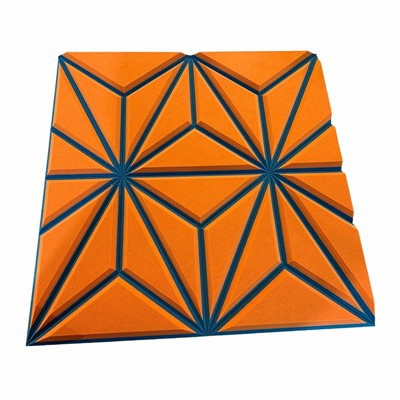
Acoustic tiles are not just functional; they can also enhance the aesthetic of a library. There are various types of acoustic tiles available, each with its own unique design. For instance, V Cut Panels offer a modern and sleek look, while Hexagon Acoustic Panels can add a touch of geometric elegance. 3D Acoustic Panels provide a three - dimensional effect that can make the library space more visually interesting.
Flexibility in Installation
Acoustic tiles can be installed on both walls and ceilings, providing flexibility in acoustic treatment. Acoustic Tiles For Walls can be used to target specific areas where sound reflection is a problem, such as along large windows or near hard - walled bookcases. Ceiling - mounted acoustic tiles can address overall reverberation in the room.
Considerations When Choosing Acoustic Tiles for Libraries
Fire Resistance
Since libraries often contain a large amount of paper materials, fire safety is a top concern. When choosing acoustic tiles, it's important to select products that have high fire - resistance ratings. Many modern acoustic tiles are made with fire - retardant materials to meet safety standards.
Durability
Libraries are public spaces with a high volume of foot traffic. The acoustic tiles should be durable enough to withstand the wear and tear of daily use. Tiles made from high - quality materials with good impact resistance are ideal.
Maintenance
Acoustic tiles should be easy to clean and maintain. In a library, dust and dirt can accumulate on the tiles over time. Tiles that can be wiped clean or vacuumed easily will ensure that they continue to look good and function effectively.
Cost - Effectiveness
While it's important to invest in high - quality acoustic tiles, cost is also a factor. As a supplier, we understand the need for cost - effective solutions. We offer a range of acoustic tiles to suit different budgets, including Grooved Acoustic Panel which provides good acoustic performance at a reasonable price.
Real - World Examples
There have been numerous libraries that have successfully installed acoustic tiles and experienced significant improvements in their acoustic environment. For example, a large urban library that was constantly struggling with noise issues installed our acoustic tiles throughout the main reading area. After the installation, patrons reported a noticeable reduction in background noise and an improvement in their ability to concentrate. The library also received positive feedback from groups using the study rooms, where speech intelligibility had been a problem before.
Conclusion
In conclusion, acoustic tiles are highly suitable for libraries. They offer a practical solution to the acoustic challenges faced in these spaces, enhancing the overall experience for patrons. From improving concentration to adding aesthetic appeal, the benefits of acoustic tiles are significant.
If you're a library manager or someone involved in the renovation or construction of a library and are interested in learning more about our acoustic tile products, we'd be happy to have a conversation with you. We can provide detailed product information, samples, and help you choose the most suitable acoustic tiles for your specific needs. Contact us to start the procurement discussion and take the first step towards creating an ideal acoustic environment in your library.
References
- Beranek, Leo L. "Acoustics." American Institute of Physics, 1986.
- Crocker, Malcolm J. "Handbook of Noise and Vibration Control." Wiley, 2007.