
As a fabric panel supplier, one of the most common questions I encounter from customers is about the shrinkage rate of fabric panels. Understanding the shrinkage rate is crucial for both manufacturers and end - users, as it can significantly impact the final product's fit, appearance, and performance. In this blog, I will delve into what the shrinkage rate of fabric panels is, the factors that influence it, and how to manage it effectively.
What is the Shrinkage Rate of Fabric Panels?
The shrinkage rate of fabric panels refers to the percentage by which the fabric reduces in size after it has been exposed to certain conditions, typically washing, drying, or heat treatment. It is usually expressed as a percentage of the original dimensions of the fabric. For example, if a fabric panel originally measures 100 cm in length and shrinks to 95 cm after washing, the shrinkage rate is 5%.
Shrinkage can occur in both the length (warp direction) and width (weft direction) of the fabric. In some cases, the shrinkage rate may be different in these two directions, which can lead to distortion if not properly accounted for.
Factors Affecting the Shrinkage Rate
Fiber Type
Different fibers have different inherent shrinkage characteristics. Natural fibers like cotton, wool, and silk are more prone to shrinkage compared to synthetic fibers such as polyester, nylon, and acrylic.
- Cotton: Cotton fibers can absorb a significant amount of water. When wet, the fibers swell, and upon drying, they contract, resulting in shrinkage. The shrinkage rate of cotton fabric can range from 3% to 10%, depending on the quality of the cotton and the manufacturing process.
- Wool: Wool is a highly elastic fiber, but it can also shrink significantly when exposed to heat, moisture, and agitation. Wool shrinkage can be as high as 20% if not properly treated.
- Synthetic Fibers: Synthetic fibers are generally more dimensionally stable. Polyester, for example, has a very low shrinkage rate, usually less than 1%. This makes it a popular choice for applications where minimal shrinkage is required.
Manufacturing Process
The way the fabric is made also plays a crucial role in determining its shrinkage rate.
- Weaving and Knitting: The tightness of the weave or knit can affect shrinkage. Fabrics with a loose weave or knit are more likely to shrink than those with a tight structure.
- Finishing Treatments: Chemical treatments such as mercerization (for cotton) or anti - shrink finishes can reduce the shrinkage rate of the fabric. These treatments help to stabilize the fibers and prevent them from shrinking.
Washing and Drying Conditions
The way the fabric is washed and dried can have a significant impact on its shrinkage rate.
- Temperature: High - temperature washing and drying can cause the fibers to contract more, leading to increased shrinkage. For example, washing a cotton fabric in hot water and drying it on high heat can result in a higher shrinkage rate compared to using cold water and low - heat drying.
- Agitation: Excessive agitation during washing can also cause the fibers to move and shrink. Gentle washing cycles are recommended to minimize shrinkage.
Measuring the Shrinkage Rate
To accurately measure the shrinkage rate of a fabric panel, the following steps can be followed:
- Measure the Original Dimensions: Use a measuring tape to measure the length and width of the fabric panel before any treatment. Record these measurements accurately.
- Perform the Treatment: Wash and dry the fabric panel according to the recommended care instructions or the conditions you expect it to be exposed to in real - life use.
- Measure the Final Dimensions: After the fabric has dried completely, measure the length and width again.
- Calculate the Shrinkage Rate: Use the following formula to calculate the shrinkage rate:
[Shrinkage\ Rate(%)=\frac{Original\ Dimension - Final\ Dimension}{Original\ Dimension}\times100]
Managing the Shrinkage Rate
As a fabric panel supplier, I understand the importance of providing fabrics with consistent and predictable shrinkage rates. Here are some strategies to manage the shrinkage rate:
- Pre - shrinking: Many fabric manufacturers pre - shrink their fabrics before selling them. This involves subjecting the fabric to a controlled washing and drying process to remove any potential shrinkage. Pre - shrunk fabrics are more stable and less likely to shrink further during normal use.
- Proper Care Instructions: Providing clear and accurate care instructions to customers is essential. This includes recommendations on washing temperature, drying methods, and ironing. By following these instructions, customers can minimize the risk of excessive shrinkage.
- Quality Control: Implementing strict quality control measures during the manufacturing process can help ensure that the fabric panels meet the desired shrinkage standards. This includes testing samples of each batch of fabric to verify the shrinkage rate.
Applications and Considerations
Fabric panels have a wide range of applications, including interior decoration, acoustic insulation, and upholstery. The shrinkage rate can have different implications depending on the application.
- Interior Decoration: In interior decoration, fabric panels are often used for curtains, wall coverings, and draperies. Excessive shrinkage can cause the fabric to pull away from the edges, resulting in an uneven appearance. Therefore, it is important to choose fabrics with low shrinkage rates for these applications.
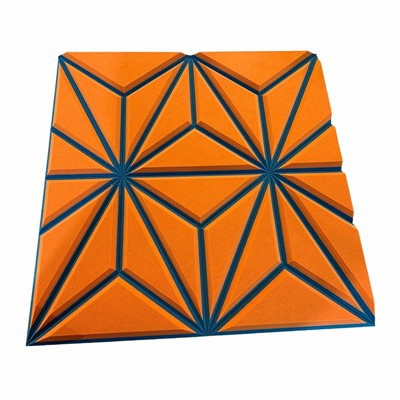
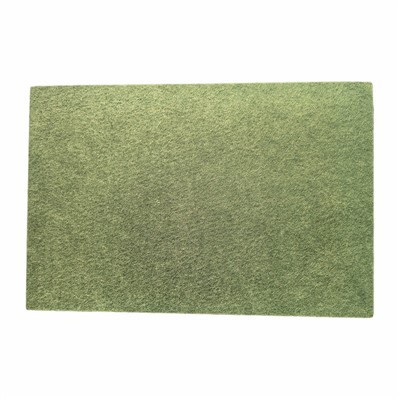
- Acoustic Insulation: Fabric Wall Acoustic Panels and Acoustic Fabric Panels are designed to absorb sound and improve the acoustic quality of a space. Shrinkage can affect the performance of these panels by changing their shape and density. It is crucial to select fabrics that are dimensionally stable to ensure consistent acoustic performance.
- Upholstery: For upholstery applications, such as sofas and chairs, shrinkage can cause the fabric to wrinkle and become loose over time. Fabric Wrapped Panel used in upholstery also needs to maintain its shape and appearance. Choosing fabrics with low shrinkage rates and proper pre - treatment can help ensure a long - lasting and aesthetically pleasing upholstery.
Conclusion
The shrinkage rate of fabric panels is an important factor that needs to be considered in various applications. As a fabric panel supplier, I am committed to providing high - quality fabrics with predictable shrinkage rates. By understanding the factors that influence shrinkage and implementing effective management strategies, we can ensure that our customers receive fabric panels that meet their requirements.


If you are interested in purchasing fabric panels for your project, I encourage you to contact us for a detailed discussion. We can provide you with samples, technical specifications, and expert advice to help you make the right choice.
References
- Textile Institute. (2019). Handbook of Textile Fibres: Volume 1, Natural Fibres. Woodhead Publishing.
- ASTM International. (2020). Standard Test Methods for Dimensional Change of Fabrics After Home Laundering. ASTM D3759.