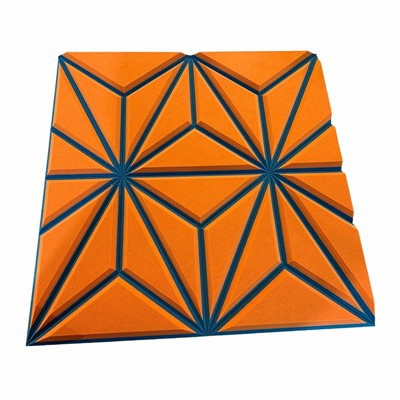

What is the Cost - Effectiveness of Acoustic Screens?
In today's world, noise pollution has become a significant concern in various environments, including offices, industrial facilities, and public spaces. Acoustic screens have emerged as an effective solution to mitigate noise and create a more comfortable and productive atmosphere. As a supplier of Acoustic Screen, I have witnessed firsthand the growing demand for these products and the importance of understanding their cost - effectiveness.
Understanding the Basics of Acoustic Screens
Acoustic screens are designed to absorb, reflect, or diffuse sound waves, reducing the amount of noise that travels through a space. They are typically made from materials such as fiberglass, foam, or wood, each with its own unique acoustic properties. The effectiveness of an acoustic screen is measured by its Sound Absorption Coefficient (SAC), which indicates how well the material absorbs sound at different frequencies.
When considering the cost - effectiveness of acoustic screens, it is essential to understand the factors that contribute to their performance. The type of material, the thickness of the screen, and the installation method all play a role in determining how well the screen will reduce noise. For example, a thicker screen made from high - quality acoustic material will generally have a higher SAC and provide better noise reduction than a thinner, lower - quality screen.
Initial Investment and Long - Term Savings
One of the primary considerations when evaluating the cost - effectiveness of acoustic screens is the initial investment. The cost of acoustic screens can vary depending on the size, material, and design. However, it is important to view this investment as a long - term solution rather than a short - term expense.
In many cases, the installation of acoustic screens can lead to significant long - term savings. For instance, in an office environment, reducing noise levels can improve employee productivity. Studies have shown that excessive noise can cause distractions, stress, and a decrease in work efficiency. By installing acoustic screens, companies can create a more focused and productive work environment, which can translate into cost savings in the form of increased output and reduced employee turnover.
In industrial settings, acoustic screens can help protect workers from the harmful effects of noise exposure. Prolonged exposure to high - level noise can lead to hearing loss and other health problems. By investing in acoustic screens, companies can reduce the risk of workplace injuries and associated costs, such as medical expenses and workers' compensation claims.
Comparison with Alternative Noise Reduction Solutions
When evaluating the cost - effectiveness of acoustic screens, it is also important to compare them with alternative noise reduction solutions. For example, some companies may consider using soundproofing materials to insulate walls and ceilings. While this can be an effective solution, it can also be more expensive and time - consuming to install compared to acoustic screens.
Another alternative is the use of Acoustic Lighting. These products combine lighting with acoustic properties, providing both illumination and noise reduction. However, they may not be as effective as dedicated acoustic screens in reducing high - frequency noise.
Acoustic Partition is another option. These partitions can be used to create separate spaces within a larger area, reducing noise transfer between different zones. While they can be effective, they may require more space and a more complex installation process compared to acoustic screens.
Customization and Flexibility
One of the advantages of acoustic screens is their customization and flexibility. They can be designed to fit a variety of spaces and applications, making them a versatile solution for different noise reduction needs. For example, acoustic screens can be used in open - plan offices to create private work areas, or in industrial facilities to separate noisy machinery from other areas.


This customization also allows for cost - effective solutions. Instead of investing in a one - size - fits - all solution, companies can choose acoustic screens that are tailored to their specific requirements. This can result in a more efficient use of resources and a better return on investment.
Maintenance and Durability
The cost - effectiveness of acoustic screens also depends on their maintenance and durability. High - quality acoustic screens are typically made from durable materials that require minimal maintenance. This means that once installed, they can provide long - term noise reduction without the need for frequent repairs or replacements.
In addition, some acoustic screens are designed to be easily cleaned and maintained. This can be particularly important in environments where dirt and dust can accumulate, such as industrial facilities or public spaces. By choosing acoustic screens that are easy to maintain, companies can reduce the overall cost of ownership over time.
Environmental Considerations
In today's environmentally conscious world, the environmental impact of products is an important consideration. Many acoustic screens are made from sustainable materials, such as recycled fiberglass or natural wood. These materials are not only environmentally friendly but can also contribute to the overall cost - effectiveness of the product.
For example, using recycled materials can reduce the cost of production, which can be passed on to the customer. In addition, sustainable materials may be eligible for certain tax incentives or environmental certifications, which can further offset the cost of the acoustic screens.
Conclusion
In conclusion, the cost - effectiveness of acoustic screens is a complex issue that depends on a variety of factors, including the initial investment, long - term savings, comparison with alternative solutions, customization, maintenance, and environmental considerations. As a supplier of Acoustic Screen, I believe that acoustic screens offer a cost - effective solution for reducing noise in a wide range of environments.
If you are considering investing in acoustic screens for your space, I encourage you to contact us for a consultation. Our team of experts can help you determine the best solution for your specific needs and provide you with a detailed cost analysis. We are committed to providing high - quality products and exceptional customer service, and we look forward to working with you to create a more comfortable and productive environment.
References
- "The Impact of Noise on Workplace Productivity," Journal of Occupational Health Psychology.
- "Noise Reduction Strategies in Industrial Settings," Industrial Engineering Journal.
- "Sustainable Materials for Acoustic Applications," Environmental Science and Technology Journal.