
Are acoustic fabric panels suitable for a music room? This is a question that many musicians, audio engineers, and music enthusiasts often ask. As a supplier of Acoustic Fabric Panels, I have had the opportunity to work with a wide range of clients and understand the unique requirements of music rooms. In this blog post, I will explore the suitability of acoustic fabric panels for music rooms, discussing their benefits, considerations, and how they can enhance the overall acoustic environment.
Benefits of Acoustic Fabric Panels in a Music Room
Sound Absorption
One of the primary benefits of acoustic fabric panels is their ability to absorb sound. In a music room, excessive reverberation can cause muddiness and distortion in the audio. Acoustic fabric panels are designed to absorb sound waves, reducing echo and reverberation. They are typically filled with sound - absorbing materials such as fiberglass or mineral wool, which trap sound energy and prevent it from bouncing around the room. This results in a cleaner, more balanced sound, allowing musicians to hear their music more clearly and accurately.
Aesthetic Appeal
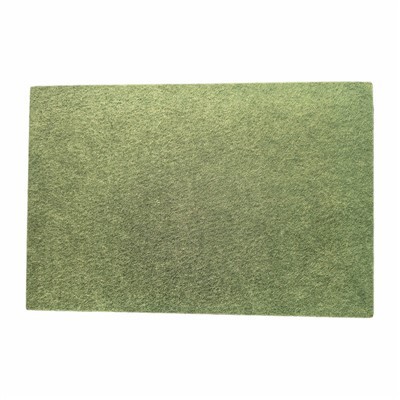
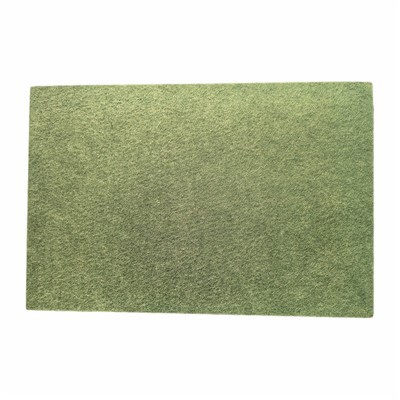
Acoustic fabric panels come in a variety of colors, patterns, and textures, making them a great option for enhancing the visual appeal of a music room. Unlike some traditional acoustic treatments that can be bulky and unattractive, fabric - wrapped panels can be customized to match the decor of the room. They can be installed on walls, ceilings, or even used as room dividers, adding a touch of style while improving the acoustics.
Flexibility
Acoustic fabric panels are highly flexible in terms of installation. They can be easily mounted on walls using adhesives, clips, or frames. This makes them suitable for both new construction and retrofit projects. Additionally, they can be cut to size, allowing for a custom fit in any music room. Whether you have a small home studio or a large professional recording facility, acoustic fabric panels can be tailored to meet your specific needs.
Durability
Fabric - wrapped acoustic panels are generally durable and long - lasting. The fabric covering protects the internal sound - absorbing material, and it can withstand normal wear and tear. This means that once installed, you can expect the panels to provide effective acoustic treatment for many years.
Considerations When Using Acoustic Fabric Panels in a Music Room
Frequency Response
Different acoustic fabric panels have different frequency response characteristics. In a music room, it is important to choose panels that can effectively absorb a wide range of frequencies. Low - frequency sounds (bass) can be more difficult to absorb than high - frequency sounds. Some panels are designed specifically to target low frequencies, while others are more effective at mid and high frequencies. It is essential to understand the frequency range of the music you will be playing in the room and select panels accordingly.
Placement
The placement of acoustic fabric panels in a music room is crucial for achieving optimal acoustic performance. Panels should be placed on the walls and ceiling at strategic locations to address areas of high reflection. For example, placing panels on the first reflection points (the areas on the walls where sound from the speakers first reflects) can significantly reduce echo. Additionally, placing panels in the corners of the room can help absorb low - frequency sound.
Fire Safety
When choosing acoustic fabric panels for a music room, fire safety is an important consideration. Make sure the panels are made from fire - resistant materials and meet relevant fire safety standards. This is especially important in a room where electrical equipment and potential fire hazards are present.
How Acoustic Fabric Panels Enhance the Music Room Experience
Improved Sound Quality
By reducing reverberation and echo, acoustic fabric panels improve the overall sound quality in a music room. Musicians can hear their instruments and vocals more clearly, which is essential for accurate recording and performance. The balanced sound environment also allows for better mixing and mastering, resulting in a more professional - sounding final product.
Comfort
A well - treated music room with acoustic fabric panels is more comfortable to work in. The reduced noise levels and improved acoustics create a more pleasant environment for musicians and listeners alike. This can lead to increased productivity and enjoyment during music sessions.
Privacy
Acoustic fabric panels can also help improve privacy in a music room. By absorbing sound, they reduce the amount of sound that escapes from the room, preventing noise from disturbing others in the surrounding area.


Types of Acoustic Fabric Panels for Music Rooms
Fabric Wall Acoustic Panels
These panels are designed to be mounted on walls. They are available in different sizes and thicknesses, and can be customized to fit the specific dimensions of your music room. Fabric wall acoustic panels are a popular choice for both home studios and professional recording facilities.
Fabric Wrapped Panel
Fabric wrapped panels are similar to fabric wall acoustic panels, but they often have a more decorative appearance. They can be used to add a touch of style to a music room while providing effective acoustic treatment. These panels are available in a wide range of fabric options, allowing you to choose a look that matches your room's decor.
Conclusion
In conclusion, acoustic fabric panels are highly suitable for a music room. They offer numerous benefits, including sound absorption, aesthetic appeal, flexibility, and durability. However, it is important to consider factors such as frequency response, placement, and fire safety when choosing and installing these panels. By carefully selecting and positioning acoustic fabric panels, you can create an optimal acoustic environment in your music room, enhancing the quality of your music and the overall experience.
If you are interested in purchasing acoustic fabric panels for your music room, we are here to help. Our team of experts can provide you with customized solutions based on your specific needs and budget. Contact us to start a discussion about how we can enhance the acoustics of your music room.
References
- Acoustics Handbook, by Cyril M. Harris
- Architectural Acoustics, by Philip C. Johnson and John R. Marshall