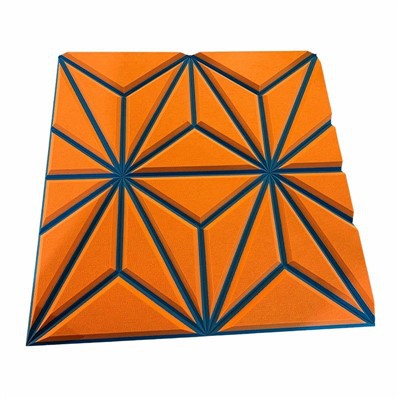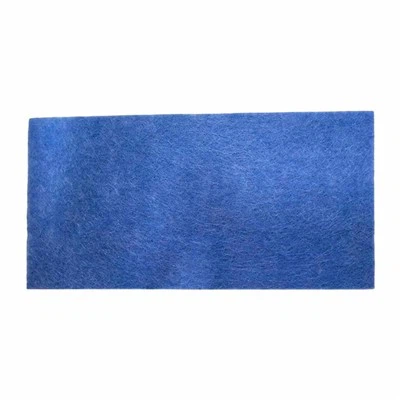

Hey there! As a fabric panel supplier, I often get asked about fabric colorfastness. So, let's dive right into what colorfastness of fabric panels is all about.
What is Colorfastness?
Colorfastness refers to the ability of a fabric to retain its color when exposed to various factors like light, washing, rubbing, and perspiration. In simple terms, it's how well the color stays put on the fabric over time and under different conditions.
When we talk about fabric panels, whether they're Acoustic Fabric Panels, Fabric Wall Acoustic Panels, or Fabric Wrapped Panel, colorfastness is a crucial factor. No one wants their beautiful fabric panels to fade or bleed after a short period, right?
Factors Affecting Colorfastness
1. Dye Quality
The quality of the dye used in the fabric plays a huge role in colorfastness. High - quality dyes are formulated to bond well with the fabric fibers, resulting in better color retention. Cheaper dyes may not adhere as strongly, leading to color loss over time. For example, natural dyes can sometimes be less colorfast compared to synthetic dyes, but they offer a more eco - friendly option.


2. Fabric Type
Different fabrics have different levels of colorfastness. For instance, synthetic fabrics like polyester often have better colorfastness than natural fibers such as cotton. Polyester fibers are more resistant to fading from light and washing because of their chemical structure. On the other hand, cotton is more absorbent and may require special dyeing processes to achieve good colorfastness.
3. Exposure to Light
Sunlight is one of the biggest enemies of fabric color. Ultraviolet (UV) rays in sunlight can break down the dye molecules in the fabric, causing the color to fade. This is especially important for fabric panels that are used in areas with a lot of sunlight, like near windows. To test the lightfastness of a fabric, we often use a device called a fadeometer, which simulates long - term exposure to sunlight.
4. Washing and Cleaning
How you wash and clean your fabric panels can also impact colorfastness. Harsh detergents, high - temperature washes, and excessive agitation can all cause the color to bleed or fade. It's important to follow the care instructions provided with the fabric panels. For example, some fabric panels may need to be dry - cleaned only, while others can be machine - washed on a gentle cycle.
5. Rubbing and Abrasion
Friction from rubbing can also cause color loss. This can happen when the fabric panels are in contact with other surfaces or when people touch or move them frequently. Fabrics with good colorfastness are more resistant to this type of abrasion.
Testing Colorfastness
To ensure the colorfastness of our fabric panels, we conduct a series of tests. These tests are based on international standards, such as those set by the American Association of Textile Chemists and Colorists (AATCC) or the International Organization for Standardization (ISO).
Lightfastness Test
As mentioned earlier, the lightfastness test uses a fadeometer to expose the fabric to artificial sunlight for a specific period. After the exposure, the color change of the fabric is evaluated using a gray scale. The results are rated from 1 (poor colorfastness) to 8 (excellent colorfastness).
Wash Fastness Test
In the wash fastness test, the fabric is washed under specific conditions, including temperature, detergent type, and agitation. After washing, the fabric is evaluated for color change and staining on adjacent fabrics. The results are also rated on a scale.
Rubbing Fastness Test
This test measures the color transfer from the fabric when rubbed. A piece of white fabric is rubbed against the test fabric, and the amount of color transferred to the white fabric is evaluated. The results are rated from 1 (severe color transfer) to 5 (no color transfer).
Why Colorfastness Matters for Fabric Panels
Aesthetics
Color is a major part of the appeal of fabric panels. Whether they're used for interior decoration, acoustic purposes, or other applications, vibrant and consistent colors enhance the overall look of the space. Faded or bleeding colors can make the fabric panels look old and unappealing.
Durability
Good colorfastness is also a sign of the overall durability of the fabric panels. If the color can withstand various conditions, it's likely that the fabric itself is of good quality and will last longer. This is especially important for commercial applications where the fabric panels may be exposed to heavy use.
Customer Satisfaction
Customers expect the fabric panels they purchase to maintain their color over time. By providing fabric panels with high colorfastness, we can ensure customer satisfaction and build a good reputation in the market.
Our Commitment as a Supplier
As a fabric panel supplier, we take colorfastness very seriously. We source high - quality dyes and fabrics, and we conduct rigorous testing to ensure that our Acoustic Fabric Panels, Fabric Wall Acoustic Panels, and Fabric Wrapped Panel meet the highest standards of colorfastness.
We also provide detailed care instructions to our customers to help them maintain the color and quality of the fabric panels. If you have any questions about colorfastness or our products, feel free to reach out to us. We're always happy to assist you in finding the right fabric panels for your needs.
If you're interested in purchasing our fabric panels, we'd love to have a chat with you about your requirements. Whether it's for a small home project or a large commercial installation, we can offer you the best solutions. Just get in touch, and let's start the conversation!
References
- American Association of Textile Chemists and Colorists (AATCC) standards
- International Organization for Standardization (ISO) standards