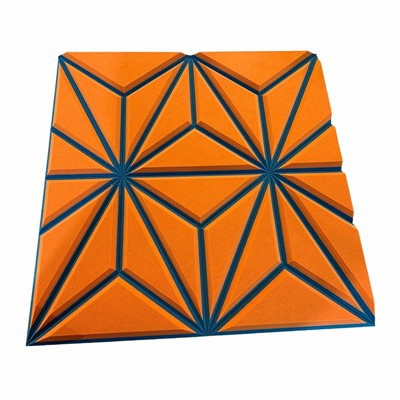

Hey there! If you're tired of dealing with all that annoying noise pollution, you've come to the right place. I'm a supplier of PET acoustic tiles, and I'm here to tell you all about how these amazing tiles can help reduce noise pollution.
What Are PET Acoustic Tiles?
First off, let's talk about what PET acoustic tiles are. PET stands for polyethylene terephthalate, which is a type of plastic. These tiles are made from recycled PET materials, which is not only good for the environment but also makes them a cost - effective option.
You can check out our PET Acoustic Tiles on our website to see the different styles and sizes we offer. They come in various shapes and colors, so you can choose the ones that best fit your space and aesthetic preferences.
How Do They Work?
Now, let's get into the nitty - gritty of how these tiles help in reducing noise pollution. When sound waves hit a hard surface, like a regular wall or ceiling, they bounce back. This bouncing back of sound waves is what causes echoes and reverberation, which can make a space noisy and uncomfortable.
PET acoustic tiles are designed to absorb sound waves. They have a porous structure that allows the sound waves to enter the tile. Once inside, the sound energy is converted into heat energy through a process called friction. This means that instead of the sound bouncing back into the room, it gets absorbed by the tiles, reducing the overall noise level.
For example, in a large open - plan office, there's a lot of chatter and machinery noise. Without proper sound absorption, this noise can be overwhelming and can affect the productivity of the employees. But when you install PET Acoustic Tiles on the ceiling or walls, they absorb a significant amount of the sound, creating a quieter and more comfortable working environment.
Benefits of Using PET Acoustic Tiles
1. Improved Acoustic Quality
As I mentioned earlier, these tiles significantly improve the acoustic quality of a space. Whether it's a classroom, a restaurant, or a home theater, they can reduce the reverberation time. This means that the sound is clearer, and you can have better conversations without having to shout over the noise.
2. Energy - Efficient
Since they are made from recycled PET materials, they are an energy - efficient option. The production process of these tiles requires less energy compared to traditional building materials. This not only helps in reducing your carbon footprint but also saves on energy costs in the long run.
3. Aesthetically Pleasing
PET acoustic tiles come in a wide range of colors and designs. You can choose from smooth finishes, textured patterns, or even custom - printed designs. This means that you can enhance the look of your space while also reducing noise pollution. For instance, in a modern - style office, you can choose sleek, white PET Acoustic Tiles to match the overall decor.
4. Easy Installation
Installing these tiles is relatively easy. They can be attached to the ceiling or walls using adhesives or mechanical fasteners. This means that you can quickly transform a noisy space into a quiet one without having to go through a long and complicated installation process.
Applications of PET Acoustic Tiles
1. Commercial Spaces
In commercial spaces like offices, hotels, and shopping malls, noise pollution can be a major issue. PET acoustic tiles can be installed on the ceilings and walls to create a more peaceful environment. For example, in a hotel lobby, the tiles can absorb the noise from the guests checking in and out, as well as the background music, creating a more relaxing atmosphere for the guests.
2. Educational Institutions
Classrooms and lecture halls often suffer from poor acoustics. With the installation of PET Acoustic Tiles, teachers can be heard more clearly by the students, and the students can focus better on their studies. This can lead to improved learning outcomes.
3. Residential Spaces
In homes, noise from neighbors, traffic, or appliances can be a nuisance. Installing these tiles in living rooms, bedrooms, or home offices can help reduce the noise and create a more comfortable living environment. For example, in a bedroom, the tiles can absorb the sound from the street outside, allowing you to get a better night's sleep.
Comparison with Other Acoustic Materials
There are other acoustic materials available in the market, such as fiberglass and mineral wool. While these materials are also effective in reducing noise, PET acoustic tiles have some advantages.
Fiberglass and mineral wool can be itchy and can cause respiratory problems if the fibers are inhaled. On the other hand, PET acoustic tiles are non - toxic and safe to use. They are also more durable and can withstand wear and tear better than some other materials.


Our Product Range
We offer a variety of PET Acoustic Tiles, as well as Acoustic Ceiling Panels and PET Ceiling Panels. Our products are of high quality and are designed to meet the different needs of our customers.
Whether you need a small quantity for a home project or a large quantity for a commercial building, we've got you covered. We can also provide custom - made tiles according to your specific requirements.
Conclusion
In conclusion, PET acoustic tiles are a great solution for reducing noise pollution. They offer many benefits, including improved acoustic quality, energy efficiency, aesthetic appeal, and easy installation. If you're looking for a way to make your space quieter and more comfortable, consider using our PET acoustic tiles.
If you're interested in purchasing our products or have any questions, feel free to reach out to us. We're here to help you find the best acoustic solution for your needs.
References
- "Acoustics for Dummies" by Jeff Strong
- "Building Acoustics" by Colin G. H. Hansen and Eric J. Naylor