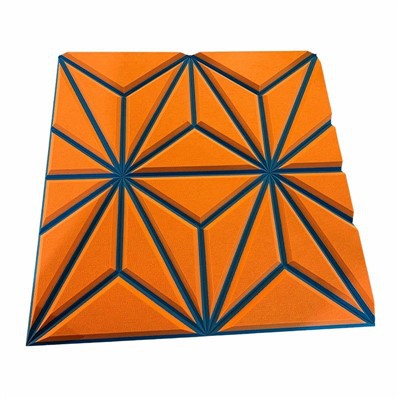

Hey there! As a supplier of acoustic sound panels, I've seen firsthand how these nifty products can transform the soundscape of a space. In this blog, I'm gonna break down exactly how acoustic sound panels impact the overall sound in different environments.
Let's start with the basics. What are acoustic sound panels? Well, they're essentially materials designed to absorb, reflect, or diffuse sound waves. There are different types, like Acoustic Fabric Panels, Acoustic Ceiling Panels, and PET Ceiling Panels. Each type has its own unique properties and uses.
How They Work
Acoustic sound panels work by interacting with sound waves. When sound hits a panel, part of it is absorbed, part is reflected, and part is diffused. The absorption coefficient of a panel determines how much sound it can soak up. A higher coefficient means more sound is absorbed.
For example, in a large, empty room, sound waves bounce off the hard walls and ceiling, creating echoes and reverberation. This can make it difficult to have a clear conversation or enjoy music. But when you install acoustic sound panels, they absorb the sound waves, reducing the echoes and creating a more balanced sound.
Impact on Different Spaces
Offices
In an office setting, noise can be a major distraction. Open-plan offices, in particular, are prone to high levels of background noise from conversations, phone calls, and equipment. Acoustic sound panels can help create a more focused and productive environment.
By reducing the reverberation time, these panels make it easier to understand speech. This is especially important in meeting rooms, where clear communication is crucial. With the right acoustic treatment, you can ensure that everyone can hear and be heard, leading to more effective meetings.
Recording Studios
Recording studios require precise acoustic control. Any unwanted noise or reverberation can ruin a recording. Acoustic sound panels are essential for creating a neutral and balanced sound environment.
They can be used to absorb high frequencies, which helps to reduce harshness and improve the clarity of vocals and instruments. By carefully placing the panels on the walls and ceiling, you can create a "dead" room where sound is controlled and reflections are minimized.
Restaurants
Restaurants are often noisy places, with the clatter of dishes, conversations, and background music. Acoustic sound panels can help create a more pleasant dining experience.
By reducing the noise level, these panels make it easier for customers to have a conversation without having to shout. They also enhance the overall ambiance of the restaurant, making it a more inviting place to dine.
Home Theaters
If you're a movie buff, you know how important it is to have a great sound system. But even the best speakers can't perform at their best in a room with poor acoustics. Acoustic sound panels can transform your home theater into a professional-grade audio experience.
They can help to reduce echoes and reflections, creating a more immersive sound. By controlling the sound waves, you can enjoy a more accurate and detailed audio performance, whether you're watching a blockbuster movie or listening to your favorite music.
Choosing the Right Panels
When choosing acoustic sound panels, there are several factors to consider. The first is the type of space you're working with. Different spaces have different acoustic requirements, so it's important to choose panels that are suitable for your specific needs.
The size and shape of the room also play a role. Larger rooms may require more panels or panels with a higher absorption coefficient. The placement of the panels is also crucial. They should be installed in areas where sound waves are likely to bounce, such as on the walls and ceiling.
Another factor to consider is the aesthetic appeal of the panels. You want to choose panels that not only perform well but also look good in your space. There are many different styles and colors available, so you can find panels that match your decor.
Installation and Maintenance
Installing acoustic sound panels is relatively straightforward. Most panels come with mounting hardware and instructions. However, if you're not comfortable doing it yourself, you can hire a professional installer.
Maintenance is also easy. Most panels can be cleaned with a damp cloth. However, it's important to follow the manufacturer's instructions to ensure that you don't damage the panels.
Conclusion
Acoustic sound panels have a significant impact on the overall soundscape of a space. Whether you're looking to improve the acoustics in an office, recording studio, restaurant, or home theater, these panels can make a big difference.


As a supplier of acoustic sound panels, I'm here to help you choose the right panels for your needs. If you're interested in learning more or have any questions, feel free to reach out. We can discuss your project in detail and provide you with a customized solution.
So, if you're ready to transform the sound in your space, don't hesitate to contact us. Let's work together to create a more balanced and enjoyable sound environment.
References
- [1] Beranek, Leo L. "Acoustics." American Institute of Physics, 1986.
- [2] Davis, Donald E. "Building Acoustics." McGraw-Hill, 2007.
- [3] Barron, M. Richard. "Acoustics of Small Rooms." Taylor & Francis, 2007.