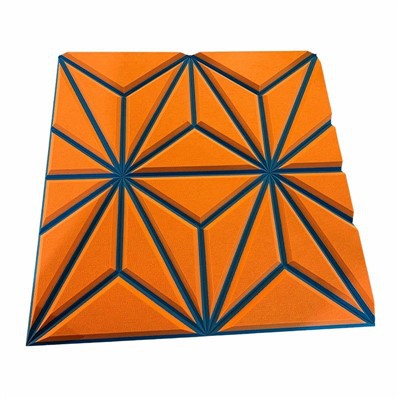

Acoustic management is a crucial aspect of modern architecture and interior design, with various sound - absorbing materials available in the market. As an acoustic ceiling panel supplier, I'm often asked how acoustic ceiling panels compare to other sound - absorbing materials. In this blog, I'll explore the unique features, advantages, and disadvantages of acoustic ceiling panels when pitted against other popular alternatives.
1. Sound - Absorption Mechanisms
Before delving into the comparison, it's essential to understand the sound - absorption mechanisms. Sound absorption is measured by the Noise Reduction Coefficient (NRC), which ranges from 0 to 1. A higher NRC value indicates better sound - absorption capabilities.
Acoustic ceiling panels typically work by converting sound energy into heat energy through friction as sound waves enter the porous structure of the panels. This porous structure allows sound to penetrate and dissipate. For example, Acoustic Ceiling Panels are designed with a carefully engineered porous structure to maximize sound absorption.
Other materials, such as fiberglass batts, also rely on a porous structure for sound absorption. However, their installation and appearance are quite different from acoustic ceiling panels. Fiberglass batts are often installed within wall cavities and are not visible, while acoustic ceiling panels are a visible part of the interior design.
2. Aesthetic Appeal
One of the significant advantages of acoustic ceiling panels is their aesthetic flexibility. These panels come in a wide range of designs, colors, and textures. They can blend seamlessly with various interior styles, from modern minimalist to traditional. For instance, some acoustic ceiling panels are designed to mimic the look of natural wood, adding a warm and inviting atmosphere to a space.
In contrast, some other sound - absorbing materials like mineral wool boards may have a more industrial look. They are usually grayish - brown in color and have a rough texture, which may not be suitable for high - end or aesthetically sensitive spaces. Foam - based sound - absorbing materials, on the other hand, can be quite limited in terms of appearance and may not be able to achieve the sophisticated look that acoustic ceiling panels can offer.
3. Installation Ease
The installation process is another important factor to consider. Acoustic ceiling panels are relatively easy to install. They can be suspended from the ceiling grid, which is a common installation method known as a drop - ceiling system. This method allows for quick and straightforward installation, and in case of any maintenance or replacement, individual panels can be easily removed and replaced.
Fiberglass batts, while relatively inexpensive, require more labor - intensive installation. They need to be carefully placed within wall cavities, and proper insulation techniques must be followed to ensure effective sound absorption. This can result in longer installation times and higher labor costs. Similarly, some other sound - absorbing materials like fabric - wrapped panels may require specialized skills for installation, as they need to be precisely cut and fixed in place.
4. Durability
Durability is a key consideration when selecting sound - absorbing materials. Acoustic ceiling panels are generally quite durable. They are made from high - quality materials that can withstand normal wear and tear. For example, PET Ceiling Panels and PET Acoustic Tiles are made from polyethene terephthalate (PET), a strong and resilient material. They are resistant to moisture, fading, and physical damage.
On the other hand, some fabric - based sound - absorbing materials may be prone to staining and damage over time. They may also attract dust and dirt, which can affect their appearance and sound - absorption performance. Foam - based materials can be relatively fragile and may degrade over time with exposure to sunlight and certain chemicals.


5. Fire Resistance
Fire safety is a critical concern in any building. Acoustic ceiling panels often meet high - level fire - resistance standards. Many manufacturers produce fire - rated acoustic ceiling panels that can help prevent the spread of fire and smoke. These panels are tested and certified to meet specific fire - safety codes.
In comparison, some organic - based sound - absorbing materials like natural fibers may be more flammable. Fiberglass and mineral wool, while generally having good fire - resistance properties, may release harmful fumes in case of a fire. It's important to note that the fire - resistance of any material depends on its specific composition and treatment.
6. Cost - Effectiveness
When it comes to cost, the picture is a bit more complex. The initial cost of acoustic ceiling panels can vary depending on the type, quality, and design. However, considering their long - term durability, ease of installation, and aesthetic value, they can be a cost - effective option in the long run.
Some other sound - absorbing materials like fiberglass batts are relatively inexpensive in terms of material cost. But when you factor in the labor costs for installation and the potential need for additional finishes or maintenance, the overall cost may not be as low as it seems. Foam - based materials can also be cheap, but their limited durability and aesthetic qualities may lead to additional costs in the future.
7. Environmental Impact
In today's environmentally conscious world, the environmental impact of building materials is an important consideration. Many acoustic ceiling panels are now being produced with sustainability in mind. For example, PET ceiling panels are often made from recycled materials. These materials not only reduce the demand for virgin resources but also help in waste reduction.
Some other sound - absorbing materials may have a higher environmental footprint. Fiberglass production can be energy - intensive and may involve the use of certain chemicals. Natural fiber - based materials, while renewable, may require large amounts of land and water for cultivation.
8. Suitability for Different Spaces
Acoustic ceiling panels are highly versatile and can be used in a wide range of spaces. They are ideal for offices, classrooms, auditoriums, and hotels, where both sound control and a pleasant aesthetic are required.
Other materials may be more suitable for specific applications. For example, fiberglass batts are commonly used in residential walls for sound insulation. Mineral wool boards are often found in industrial settings where high - levels of sound absorption and fire resistance are needed.
Conclusion
In conclusion, acoustic ceiling panels offer a unique combination of sound - absorption capabilities, aesthetic appeal, installation ease, durability, fire resistance, cost - effectiveness, and environmental friendliness. While other sound - absorbing materials have their own merits and may be more suitable for certain specific applications, acoustic ceiling panels are a great all - round choice for many modern buildings.
If you're interested in enhancing the acoustic quality of your space and are considering acoustic ceiling panels, I'd be more than happy to discuss your specific needs. Contact us to start a conversation about the best acoustic solutions for your project. We can provide you with detailed product information, samples, and cost estimates. Let's work together to create a more comfortable and acoustically optimized environment.
References
- [Author, Name]. [Title of the Book on Acoustic Materials], [Publisher], [Year of Publication].
- [Author, Name]. [Research Paper on Sound - Absorption Mechanisms], [Journal Name], [Volume], [Issue], [Year].
- [Author, Name]. "The Aesthetics and Functionality of Acoustic Ceiling Panels", [Magazine Name], [Month, Year].