
Are there different types of acoustic ceiling panels? You bet there are! As a supplier of acoustic ceiling panels, I've seen and worked with all sorts of these sound - absorbing wonders. Let's dive right in and explore the various types out there.
Mineral Fiber Acoustic Ceiling Panels
Mineral fiber acoustic ceiling panels are one of the most common types. They're made from a combination of mineral wool, fiberglass, and other binders. These panels are super popular because they're cost - effective. If you're on a budget and need to control sound in a large area like a school cafeteria or an open - plan office, mineral fiber panels are a go - to.
One of their major advantages is their excellent sound absorption. They can significantly reduce echo and noise levels, making the space more comfortable for everyone. They also come in a variety of textures and finishes. You can get them in smooth, textured, or perforated designs. The perforated ones, in particular, are great for enhancing sound absorption as the holes allow sound waves to penetrate the panel more easily.
However, they do have a few drawbacks. They're a bit heavy, which can make installation a bit of a hassle. And if they get wet, they can sag or even develop mold. So, they're not the best choice for areas with high humidity, like bathrooms or swimming pool areas.
Fiberglass Acoustic Ceiling Panels
Fiberglass panels are another well - known type. They're made from fine glass fibers that are bonded together. These panels are lightweight, which makes them easy to install. You don't need a huge crew or heavy - duty equipment to put them up on the ceiling.
In terms of sound absorption, fiberglass panels are top - notch. They can handle a wide range of frequencies, from low - pitched rumbles to high - pitched screeches. This makes them suitable for all sorts of spaces, from recording studios to concert halls.
But there are some concerns with fiberglass. The glass fibers can be irritating to the skin, eyes, and lungs if they're not properly installed or if the panels get damaged. So, it's important to wear protective gear when working with them. Also, they're a bit more expensive than mineral fiber panels, but the performance they offer might be worth the extra cost.
Wood Acoustic Ceiling Panels
Wooden acoustic ceiling panels add a touch of warmth and elegance to any space. They're made from different types of wood, such as oak, maple, or pine. These panels not only absorb sound well but also give a natural and stylish look to the room.
The natural grain of the wood adds a unique aesthetic quality. You can use them in residential settings like living rooms or in commercial spaces like restaurants to create a cozy and inviting atmosphere. Wood panels can be installed in different patterns, like herringbone or diagonal, to create a more interesting visual effect.
However, wood is a natural material, so it's more susceptible to damage from moisture and pests. You need to treat the wood properly to protect it. And compared to some other types of panels, wood panels can be more expensive, especially if you choose high - quality hardwoods.
PET Acoustic Tiles
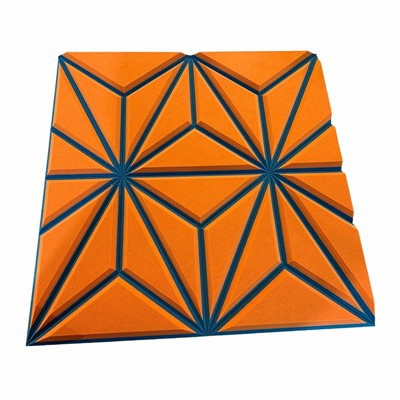
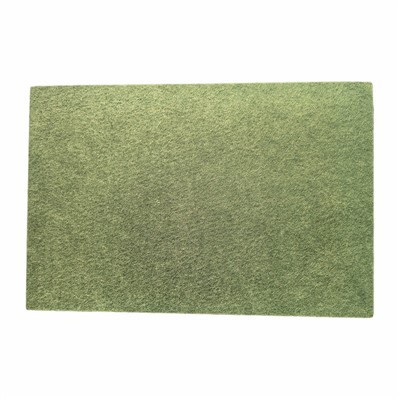
Now, let's talk about PET Acoustic Tiles. These are made from recycled PET (polyethylene terephthalate), which is a type of plastic found in many soda bottles and other containers. Using recycled materials makes them an eco - friendly choice.
PET acoustic tiles have good sound - absorbing properties. They can be used in a variety of settings, from offices to home theaters. They come in different colors and sizes, so you can easily find a style that fits your design needs.
One of the great things about PET tiles is their durability. They're resistant to scratches, stains, and moisture. This makes them suitable for high - traffic areas or areas where spills are likely to occur.
Fabric - Wrapped Acoustic Ceiling Panels
Fabric - wrapped panels are a popular choice for spaces where aesthetics are as important as sound control. These panels consist of a core material, usually fiberglass or mineral fiber, wrapped in a fabric covering.
The fabric can be chosen from a wide variety of colors, patterns, and textures. You can match the fabric to the existing decor of the room, whether it's a modern office or a traditional conference hall. The fabric not only adds a decorative touch but also helps to improve the sound - absorption quality of the panel.


However, fabric - wrapped panels require a bit more maintenance. The fabric can attract dust and stains over time, so you need to clean them regularly. And they might be more expensive than some of the other panel types, especially if you choose a high - end fabric.
Perforated Metal Acoustic Ceiling Panels
Perforated metal panels are a modern and industrial - looking option. They're made from materials like aluminum or steel and have a series of holes punched in them. These holes are what allow the panels to absorb sound.
The perforation pattern can be customized, giving you a lot of design flexibility. You can choose different hole sizes, shapes, and spacing to achieve the desired sound - absorption and visual effect. Metal panels are very durable and can withstand high levels of wear and tear. They're often used in commercial buildings, airports, and industrial facilities.
But they do have a few downsides. They can be quite heavy, which can make installation more difficult. And they're more expensive than some of the other acoustic ceiling panel options.
Deciding Which Type Is Right for You
When choosing an acoustic ceiling panel, there are several factors to consider. First of all, think about your budget. If you're working on a tight budget, mineral fiber panels or PET acoustic tiles might be the way to go. On the other hand, if you have more money to spend and want a high - end look and performance, wood or fiberglass panels could be a better choice.
The purpose of the space is also crucial. For a recording studio, you'll need panels with excellent sound - absorption properties across a wide frequency range, like fiberglass panels. For a retail store, you might want something that looks good and can handle a bit of wear and tear, such as fabric - wrapped or perforated metal panels.
The environmental conditions of the space matter too. If the area is humid, avoid mineral fiber panels and opt for more moisture - resistant options like PET or metal panels.
Why Choose Us as Your Supplier
As a supplier of Acoustic Ceiling Panels, we offer a wide selection of all the types I've mentioned above. We've been in the business for years, and we know how to help you find the perfect acoustic ceiling panels for your needs.
We work with high - quality materials to ensure that our panels are durable and effective at absorbing sound. Whether you're a small business owner looking to improve the acoustics in your store or an architect working on a large - scale project, we've got you covered.
We also provide excellent customer service. Our team is always ready to answer your questions, offer advice on panel selection, and help you with the installation process.
If you're interested in purchasing acoustic ceiling panels, we'd love to talk to you. We can provide you with detailed product information, samples, and competitive pricing. Contact us today to discuss your project and get started on creating a more acoustically comfortable space.
In conclusion, there are indeed many different types of acoustic ceiling panels, each with its own set of advantages and disadvantages. By understanding your needs and the characteristics of each type, you can make an informed decision and choose the panels that are best for your space.
References
- Building Acoustics by Colin H. Hansen
- Handbook of Noise and Vibration Control by Malcolm J. Crocker