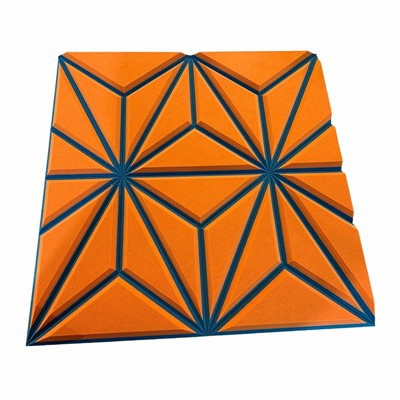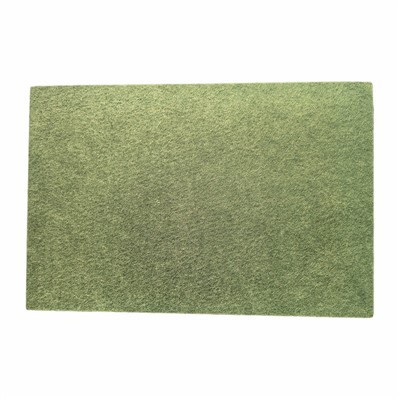

Are fabric wrapped panels waterproof? This is a question that many customers often ask me as a supplier of Fabric Wrapped Panel. In this blog post, I will delve into the nature of fabric wrapped panels, explore their waterproof capabilities, and provide insights to help you make an informed decision for your projects.
Understanding Fabric Wrapped Panels
Fabric wrapped panels are a popular choice in interior design and acoustic applications. They consist of a core material, which can be made of various substances such as fiberglass, mineral wool, or foam, wrapped with a layer of fabric. The fabric not only enhances the aesthetic appeal of the panels but also plays a role in their acoustic performance. These panels are widely used in commercial spaces like offices, theaters, and restaurants, as well as in residential settings to improve sound quality and create a pleasant environment.
The Components and Their Water Resistance
Let's first look at the core materials. Fiberglass and mineral wool are commonly used for their excellent acoustic insulation properties. However, they are highly absorbent materials. When exposed to water, they can soak it up like a sponge, leading to issues such as mold growth, degradation of the material's structure, and a significant reduction in acoustic performance. On the other hand, some types of foam cores can be more resistant to water, especially closed - cell foams. Closed - cell foams have a cellular structure that prevents water from easily penetrating, making them a better choice if water exposure is a concern.


The fabric used to wrap the panels also varies in terms of water resistance. Natural fabrics like cotton and wool are generally not waterproof. They can absorb moisture readily, which can cause discoloration, shrinkage, and the growth of mildew. Synthetic fabrics, such as polyester and nylon, can offer better water resistance. Some synthetic fabrics are treated with water - repellent coatings during the manufacturing process, which can prevent water from seeping through the fabric and reaching the core material.
Factors Affecting Waterproofing
Several factors can influence the waterproofing capabilities of fabric wrapped panels. The quality of the water - repellent treatment on the fabric is crucial. A high - quality treatment will provide a more durable and effective barrier against water. The tightness of the fabric wrap also matters. If the fabric is loosely wrapped around the core, water can find its way in through the gaps. Additionally, the environment in which the panels are installed plays a significant role. Panels installed in areas with high humidity or frequent water splashes will face more challenges in maintaining their water resistance compared to those in dry, indoor environments.
Testing and Certification
When it comes to determining the waterproof capabilities of fabric wrapped panels, testing is essential. There are various industry - standard tests that can be conducted to evaluate a panel's water resistance. For example, the water immersion test involves submerging a panel in water for a specified period and then measuring the amount of water absorbed. Another test is the spray test, where water is sprayed onto the panel at a certain pressure and angle to simulate real - world conditions.
Some manufacturers may obtain certifications for their fabric wrapped panels, indicating that they meet certain waterproofing standards. These certifications can provide customers with an added level of confidence in the product's performance. However, it's important to note that not all panels are tested or certified, so it's crucial to ask the supplier about the specific testing procedures and results.
Applications and Waterproof Requirements
The waterproof requirements for fabric wrapped panels vary depending on their applications. In most indoor applications where there is no direct exposure to water, such as in offices or living rooms, panels with basic moisture resistance may be sufficient. However, in areas like bathrooms, kitchens, or outdoor pavilions, where water exposure is more likely, panels with high - level waterproofing are necessary.
For example, in a Fabric Wall Acoustic Panels installation in a restaurant kitchen, the panels need to be able to withstand steam, splashes from cooking, and occasional cleaning with water. In such cases, choosing panels with a waterproof fabric and a water - resistant core is essential to ensure their longevity and performance.
Improving the Waterproofing of Fabric Wrapped Panels
If you need fabric wrapped panels with better waterproofing capabilities, there are several steps you can take. First, choose a panel with a synthetic fabric that has a high - quality water - repellent treatment. Consider a panel with a closed - cell foam core for added water resistance. You can also apply a waterproof sealant to the edges of the panel to prevent water from seeping in.
In addition, proper installation is crucial. Ensure that the panels are installed in a way that minimizes the risk of water pooling around them. For example, in an outdoor installation, make sure the panels are installed at an angle to allow water to drain off easily.
Conclusion
In conclusion, fabric wrapped panels are not inherently waterproof. Their waterproof capabilities depend on the core material, the type of fabric used, and any additional treatments or coatings. While some panels can offer basic moisture resistance, high - level waterproofing requires careful selection and, in some cases, additional measures.
If you are considering using Acoustic Fabric Panels for your project, it's important to assess the potential water exposure and choose the appropriate panels accordingly. Whether you need panels for a dry indoor space or a wet outdoor area, we can provide you with a wide range of options to meet your specific requirements.
If you have any questions or are interested in discussing procurement, feel free to reach out. Our team of experts is ready to assist you in finding the perfect fabric wrapped panels for your project.
References
- "Handbook of Acoustic Materials and Design" by David B. Sullivan
- Industry reports on fabric wrapped panel manufacturing and testing standards.