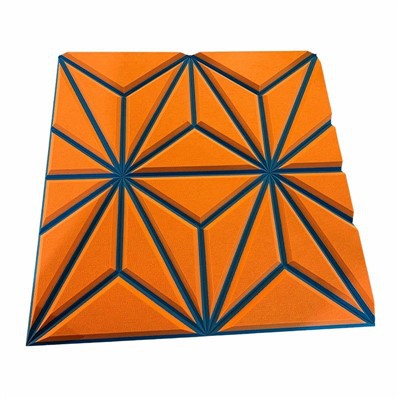

As a supplier of PET acoustic tiles, I'm often asked about the various applications of these remarkable products. PET acoustic tiles are not only functional but also aesthetically pleasing, making them a versatile solution for a wide range of environments. In this blog post, I'll explore the different settings where you can use PET acoustic tiles and how they can enhance the functionality and atmosphere of these spaces.
Commercial Spaces
Offices
Offices are typically filled with a lot of noise from conversations, phone calls, and equipment. This can lead to distractions, reduced productivity, and increased stress levels for employees. PET acoustic tiles can be installed on the ceilings or walls of office spaces to absorb sound and reduce reverberation. By creating a quieter environment, these tiles can help improve concentration and focus, leading to better work performance.
For example, open - plan offices often suffer from excessive noise. Installing PET Acoustic Tiles on the ceiling can significantly reduce the noise levels and make the workspace more comfortable. The tiles can also be customized in terms of color and design, allowing them to blend in with the office's interior decor.
Retail Stores
In retail stores, creating an inviting and comfortable atmosphere is crucial for attracting and retaining customers. Noise from footsteps, music, and conversations can be overwhelming, which may drive customers away. PET acoustic tiles can be used to control the acoustics in the store, ensuring that the background music is pleasant and the overall environment is peaceful.
These tiles can be installed on the ceilings, especially in large - scale retail spaces. The PET Ceiling Panels, a type of PET acoustic tiles, are available in different sizes and shapes, making them suitable for various retail store layouts. They can also help to improve the clarity of announcements and customer service interactions.
Restaurants and Bars
Restaurants and bars are known for their lively atmosphere, but excessive noise can make it difficult for customers to enjoy their meals and conversations. PET acoustic tiles can be used to manage the sound levels in these establishments. By absorbing the noise from the crowd, clattering dishes, and music, the tiles can create a more relaxed and enjoyable dining or drinking experience.
They can be installed on the walls or ceilings in a decorative pattern. For instance, using shaped PET acoustic tiles can add an artistic touch to the interior design while still providing excellent acoustic performance. The Acoustic Ceiling Panels can be a great option for restaurants and bars as they can be easily integrated into the existing decor.
Educational Institutions
Classrooms
In classrooms, clear communication between teachers and students is essential for effective learning. However, the noise from students, HVAC systems, and outside sources can interfere with this communication. PET acoustic tiles can be installed on the walls and ceilings of classrooms to reduce background noise and improve speech intelligibility.
This is particularly important in large classrooms or those with hard surfaces that reflect sound. By using PET acoustic tiles, teachers don't have to strain their voices, and students can better understand the lessons. These tiles are also durable and easy to clean, which is important in a high - traffic educational environment.
Libraries
Libraries are places where people go to study and read in peace. Noise control is of utmost importance in these spaces. PET acoustic tiles can be used to create a quiet and serene atmosphere by absorbing any unwanted sounds, such as footsteps, whispers, and the turning of pages.
Installing these tiles on the ceilings and walls can effectively prevent sound from traveling between different sections of the library. The aesthetic appeal of the tiles also fits well with the scholarly and calming atmosphere of a library.
Healthcare Facilities
Hospitals and Clinics
In healthcare facilities, patients need a quiet and comfortable environment to recover. Noise from medical equipment, staff conversations, and other patients can cause stress and disrupt the healing process. PET acoustic tiles can be installed in patient rooms, waiting areas, and corridors to reduce noise levels.
These tiles can also help to maintain privacy by preventing the eavesdropping of sensitive conversations. Their hygienic and easy - to - clean properties make them suitable for healthcare settings, where maintaining a clean environment is crucial.
Residential Spaces
Living Rooms
In a residential living room, people gather to relax, watch TV, and have conversations. However, noise from the TV, family members, and outside sources can sometimes be a nuisance. PET acoustic tiles can be used on the ceiling or walls to improve the acoustics of the living room.
For example, if you have a home theater system in your living room, the tiles can enhance the audio quality by reducing echoes. They can also add a modern and stylish look to the room, as they are available in a variety of colors and finishes.
Bedrooms
A quiet bedroom is essential for a good night's sleep. Noise from traffic, neighbors, or other parts of the house can disrupt sleep patterns. Installing PET acoustic tiles on the walls or ceiling of the bedroom can help create a peaceful and quiet environment.
The tiles can also act as an insulator, helping to keep the room warm in the winter and cool in the summer. This dual functionality makes them a great addition to any bedroom.
Entertainment Venues
Theaters and Auditoriums
In theaters and auditoriums, sound quality is of utmost importance. PET acoustic tiles can be used on the walls and ceilings to control the sound reflections and ensure that the audience has a clear and immersive audio experience.
These tiles can be designed to meet the specific acoustic requirements of the venue. For example, in a large concert hall, the tiles can be engineered to enhance the bass response and reduce unwanted echoes.
Recording Studios
Recording studios require precise acoustic control to capture high - quality audio. PET acoustic tiles are an ideal solution for these spaces as they can be customized to provide the desired level of sound absorption and diffusion.
By installing the right combination of PET acoustic tiles, recording engineers can create a neutral acoustic environment that minimizes sound reflections and interference, resulting in better - quality recordings.


Industrial Spaces
In industrial settings, such as factories and warehouses, there is often a lot of noise from machinery and equipment. This noise can not only be a nuisance but also a health hazard for workers. PET acoustic tiles can be installed on the walls and ceilings of these spaces to reduce noise levels and protect the hearing of employees.
The durability of PET acoustic tiles makes them suitable for industrial environments, where they can withstand the rigors of daily operations. They can also help to improve communication among workers in the noisy industrial setting.
If you're interested in using PET acoustic tiles for your project, whether it's a commercial, educational, healthcare, residential, entertainment, or industrial space, we're here to help. Our team of experts can provide you with detailed information about the products, offer recommendations based on your specific needs, and assist you throughout the installation process. We invite you to get in touch with us to start a conversation about your acoustic tile requirements. Let's work together to create a better - sounding and more comfortable environment.
References
- Acoustics Handbook, Edited by Leo L. Beranek and Tim M. Ver
- Architectural Acoustics, by Davis, Cyril M.