
Yo, what's up everyone! As a supplier of Polyester Panels, I'm stoked to dive into the topic of what the thermal insulation of polyester panels is all about.
So, first off, let's talk about what polyester panels are. Polyester panels are made from polyester fibers, which are synthetic materials. These panels are super versatile and are used in a bunch of different applications, like in buildings for both aesthetic and functional purposes.
Now, onto the thermal insulation part. Thermal insulation is all about reducing the transfer of heat. When it comes to polyester panels, they have some pretty cool properties that make them good at thermal insulation.


One of the key factors is the structure of the polyester fibers. The fibers in polyester panels are arranged in a way that creates a lot of small air pockets. Air is a great insulator because it doesn't conduct heat well. So, these air pockets in the polyester panels act as barriers to heat transfer. When there's a temperature difference between the two sides of the panel, the air pockets slow down the movement of heat from the warmer side to the cooler side.
Another thing that contributes to the thermal insulation of polyester panels is the material itself. Polyester has a relatively low thermal conductivity. Thermal conductivity is a measure of how easily a material can transfer heat. A low thermal conductivity means that the material doesn't let heat pass through it quickly. So, polyester panels can effectively keep the heat in or out, depending on the situation.
Let's take a look at some real - world examples. In a building, if you install polyester panels on the walls, they can help keep the indoor temperature stable. During the winter, they prevent the heat inside the building from escaping to the outside. This means you don't have to use as much energy to heat the place, which can save you some serious cash on your energy bills. On the other hand, in the summer, they can block the heat from the outside from getting into the building, so your air - conditioning doesn't have to work as hard.
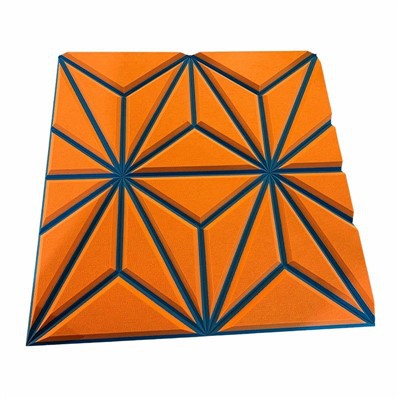
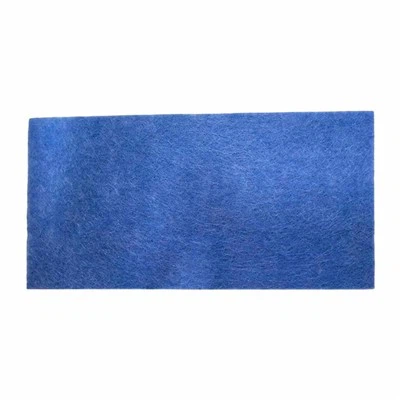
Now, I want to mention some of our specific products. We have 9mm Polyester Fiber Panels. These 9mm panels are great for thermal insulation. Their thickness provides an extra layer of protection against heat transfer. They're also easy to install, which is a huge plus. Whether you're a DIY enthusiast or a professional contractor, you'll find these panels a breeze to work with.
Our Polyester Acoustic Panels are another option. While they're well - known for their acoustic properties, they also offer decent thermal insulation. These panels can be used in places like recording studios, theaters, and offices. Not only do they help reduce noise, but they also contribute to a more energy - efficient environment.
And then there are our Polyester Fiber Acoustic Panels. These panels are a great all - around choice. They combine good acoustic performance with solid thermal insulation. They're suitable for a wide range of applications, from residential homes to commercial buildings.
The thermal insulation performance of polyester panels can also be affected by a few factors. One of them is the density of the panels. Generally, higher - density panels tend to have better thermal insulation. This is because a higher density means there are more fibers packed together, which creates more air pockets and reduces the space for heat to move through.
The installation method also matters. If the panels are installed properly, with no gaps or spaces between them, they'll perform better in terms of thermal insulation. Any gaps can allow heat to bypass the panels and reduce their effectiveness.
Now, you might be wondering how polyester panels compare to other insulation materials. Well, compared to traditional materials like fiberglass, polyester panels are often more environmentally friendly. They don't contain any harmful substances like formaldehyde, which is a common issue with some other insulation materials. They're also more flexible and easier to handle, which makes the installation process quicker and less of a hassle.
In terms of cost, polyester panels can be a cost - effective option. While the initial cost might be a bit higher than some other materials, the long - term savings on energy bills can make up for it. Plus, they have a longer lifespan, so you won't have to replace them as often.
If you're in the market for thermal insulation solutions, polyester panels are definitely worth considering. They offer a great combination of thermal insulation, acoustic performance, and environmental friendliness. And as a supplier, we're here to help you find the right panels for your specific needs.
Whether you're looking to insulate a small room in your home or a large commercial building, we've got the products and the expertise to assist you. If you have any questions or want to discuss your project, don't hesitate to reach out. We're always happy to have a chat and help you make the best decision for your insulation needs.
So, if you're ready to take the next step and improve the thermal efficiency of your space, give us a shout. We'll work with you to ensure you get the most out of our polyester panels.
References:
- General knowledge on thermal insulation materials and polyester panel properties from industry experience.
- Product data sheets and research on the performance of polyester panels in thermal insulation applications.