
What is the Sound Absorption Coefficient of PET Acoustic Tiles?
As a supplier of PET Acoustic Tiles, I am often asked about the sound absorption coefficient of these innovative products. In this blog post, I will delve into the concept of the sound absorption coefficient, explain how it relates to PET acoustic tiles, and discuss its significance in various applications.
Understanding the Sound Absorption Coefficient
The sound absorption coefficient is a measure of how effectively a material absorbs sound energy. It is expressed as a number between 0 and 1, where 0 represents a perfectly reflective material (no sound absorption) and 1 represents a perfectly absorptive material (all sound energy is absorbed). For example, a material with a sound absorption coefficient of 0.8 at a specific frequency means that 80% of the sound energy at that frequency is absorbed by the material, while the remaining 20% is reflected.
The sound absorption coefficient can vary depending on the frequency of the sound. Different materials have different absorption characteristics at different frequencies, which is why it is important to consider the specific frequency range of interest when evaluating the sound absorption performance of a material.
Sound Absorption Coefficient of PET Acoustic Tiles
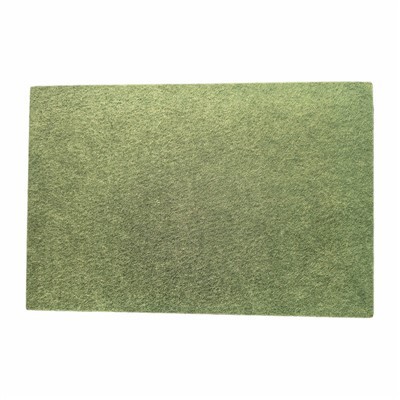
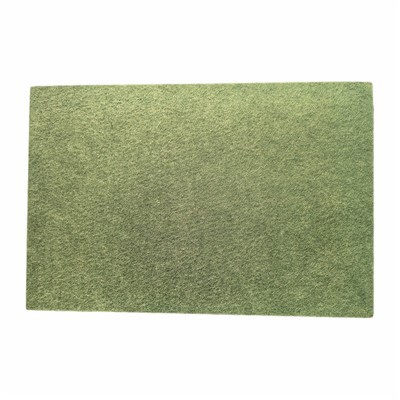
PET (Polyethylene Terephthalate) acoustic tiles are made from recycled PET plastic, which makes them an environmentally friendly option for sound absorption. These tiles are designed to provide effective sound absorption across a wide range of frequencies, making them suitable for a variety of applications, including commercial, industrial, and residential settings.
The sound absorption coefficient of PET acoustic tiles can vary depending on several factors, including the thickness of the tiles, the density of the material, and the surface structure. Generally, thicker and denser PET acoustic tiles tend to have higher sound absorption coefficients, especially at lower frequencies. Additionally, tiles with a more porous or textured surface can enhance sound absorption by increasing the surface area available for sound waves to interact with.
In laboratory tests, PET acoustic tiles typically have sound absorption coefficients ranging from 0.6 to 0.9 at mid to high frequencies (500 Hz - 2000 Hz). At lower frequencies (below 500 Hz), the sound absorption coefficient may be lower, but can still be improved by using thicker tiles or combining them with other sound absorption materials.
Significance of the Sound Absorption Coefficient in Different Applications
The sound absorption coefficient of PET acoustic tiles plays a crucial role in determining their effectiveness in different applications. Here are some examples:
- Commercial Spaces: In offices, conference rooms, and restaurants, high sound absorption coefficients are essential to reduce noise levels and create a more comfortable and productive environment. PET acoustic tiles can help to minimize echoes and reverberation, making it easier to communicate and focus.
- Industrial Settings: Factories and warehouses often generate high levels of noise from machinery and equipment. PET acoustic tiles can be installed on walls and ceilings to absorb sound and reduce the overall noise level, protecting workers' hearing and improving the working conditions.
- Residential Buildings: In homes, PET acoustic tiles can be used in bedrooms, living rooms, and home theaters to create a quieter and more peaceful environment. They can help to reduce noise from outside sources, such as traffic and neighbors, as well as internal noise from appliances and electronics.
Choosing the Right PET Acoustic Tiles
When selecting PET acoustic tiles for a specific application, it is important to consider the sound absorption coefficient as well as other factors, such as the aesthetic appearance, durability, and ease of installation. Here are some tips to help you choose the right tiles:


- Determine the Frequency Range: Identify the frequency range of the noise you want to absorb. This will help you select tiles with the appropriate sound absorption characteristics.
- Consider the Thickness and Density: Thicker and denser tiles generally have higher sound absorption coefficients, especially at lower frequencies. However, they may also be more expensive and heavier.
- Evaluate the Surface Structure: Tiles with a porous or textured surface can enhance sound absorption. Look for tiles with a surface that is designed to maximize sound absorption.
- Check the Aesthetic Appearance: PET acoustic tiles come in a variety of colors, patterns, and textures. Choose tiles that match the decor of your space and enhance its visual appeal.
- Ensure Durability and Ease of Installation: Look for tiles that are durable and easy to install. Some tiles may require special tools or techniques for installation, so make sure you have the necessary skills and equipment.
Conclusion
The sound absorption coefficient is an important factor to consider when choosing PET acoustic tiles for sound absorption applications. By understanding the concept of the sound absorption coefficient and how it relates to PET acoustic tiles, you can make an informed decision and select the right tiles for your specific needs.
If you are interested in learning more about our PET Acoustic Tiles or PET Ceiling Panels, or if you have any questions about sound absorption and acoustic solutions, please feel free to contact us. We are a leading supplier of Acoustic Ceiling Panels and can provide you with the information and support you need to make the right choice for your project.
References
- Beranek, L. L. (1954). Acoustics. McGraw-Hill.
- Kinsler, L. E., Frey, A. R., Coppens, A. B., & Sanders, J. V. (2000). Fundamentals of Acoustics. Wiley.
- Paris, J. F. (1991). Architectural Acoustics. Van Nostrand Reinhold.