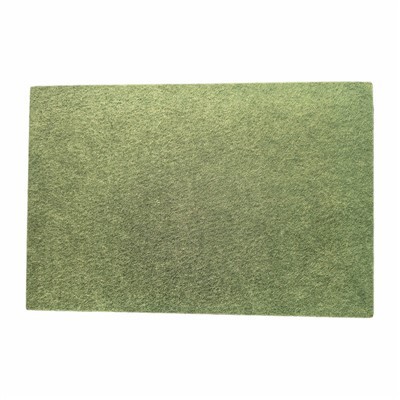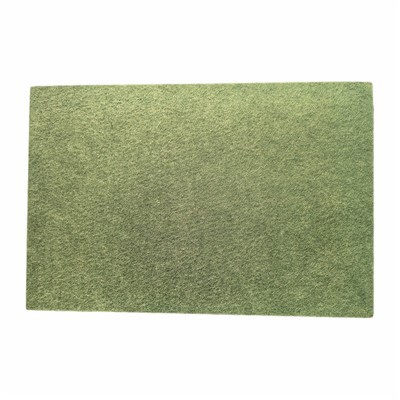

As a supplier of PET ceiling panels, I often get asked if these panels can be used in basements. It's a valid question, considering the unique environment of basements. In this blog, I'll share my insights based on experience and industry knowledge to help you decide if PET ceiling panels are a good fit for your basement.
Understanding the Basement Environment
Basements are different from other parts of the house. They're usually cooler, more humid, and can be prone to moisture issues. The temperature in basements can be quite stable, but the humidity levels can vary significantly. High humidity can lead to problems like mold growth, mildew, and damage to building materials.
Another factor to consider is the acoustics. Basements often have hard surfaces that can cause sound to bounce around, creating an echoey environment. This can be a problem if you use the basement as a living space, such as a home theater, gym, or game room.
Advantages of Using PET Ceiling Panels in Basements
1. Moisture Resistance
PET (Polyethylene Terephthalate) is a synthetic material that has good moisture resistance. Unlike traditional ceiling materials like drywall, PET ceiling panels won't absorb water easily. This means they're less likely to be damaged by high humidity or occasional water leaks. Even if there's a little bit of moisture in the air, PET ceiling panels can maintain their structural integrity and appearance.
2. Acoustic Performance
One of the great things about PET ceiling panels is their acoustic properties. They can help reduce noise and echoes in the basement. If you're using the basement for activities that generate a lot of noise, like watching movies or working out, PET ceiling panels can create a more comfortable and enjoyable environment. You can check out our PET Acoustic Tiles and Acoustic Ceiling Panels for more information on their acoustic performance.
3. Easy Installation and Maintenance
PET ceiling panels are relatively easy to install. They come in various sizes and can be cut to fit your specific basement layout. You don't need to be a professional contractor to install them. And when it comes to maintenance, PET ceiling panels are easy to clean. A simple wipe with a damp cloth can keep them looking good as new.


4. Aesthetic Appeal
PET ceiling panels come in a wide range of colors and designs. You can choose a style that matches the overall decor of your basement. Whether you want a modern, minimalist look or a more traditional style, there's a PET ceiling panel option for you. This allows you to create a basement that not only functions well but also looks great.
Potential Challenges and How to Overcome Them
1. Condensation
In some cases, condensation can form on the ceiling in basements. This is more likely to happen if there's a significant temperature difference between the basement and the outside air. To prevent condensation, you can install a vapor barrier behind the PET ceiling panels. This will help reduce the amount of moisture that reaches the panels.
2. Mold and Mildew
Although PET ceiling panels are resistant to moisture, if there's a persistent moisture problem in the basement, mold and mildew can still be an issue. To prevent this, make sure the basement is well-ventilated. You can use a dehumidifier to control the humidity levels. Regularly inspect the ceiling panels for any signs of mold or mildew and clean them promptly if necessary.
Installation Considerations
When installing PET ceiling panels in the basement, there are a few things to keep in mind. First, make sure the ceiling surface is clean and dry before installation. Any dirt or moisture on the surface can affect the adhesion of the panels. Second, follow the manufacturer's installation instructions carefully. This will ensure that the panels are installed correctly and securely.
You can find more details about our PET Ceiling Panels on our website, which includes installation guides and tips.
Conclusion
In conclusion, PET ceiling panels can be a great option for basements. They offer moisture resistance, good acoustic performance, easy installation and maintenance, and aesthetic appeal. However, it's important to address potential challenges like condensation and mold to ensure the long-term success of the installation.
If you're considering using PET ceiling panels in your basement, I'd be happy to help. We have a wide range of PET ceiling panels to choose from, and our team can provide you with expert advice and support. Whether you're a homeowner looking to renovate your basement or a contractor working on a project, we can assist you in finding the right solution for your needs. Contact us to start a discussion about your project and explore the possibilities of using PET ceiling panels in your basement.
References
- Building Science Corporation. (2023). Moisture Control in Basements.
- Acoustical Society of America. (2023). Acoustic Properties of Building Materials.