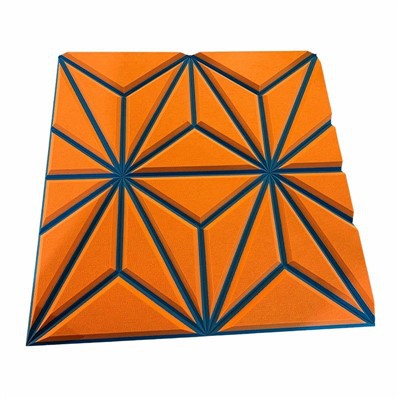

As a supplier of acoustic ceiling panels, I am frequently asked about the various impacts these products have on buildings. One crucial aspect that stands out is their influence on a building's energy efficiency. In this blog, I'll delve into the different ways acoustic ceiling panels can contribute to or affect a building's energy usage.
Thermal Insulation and Energy Savings
One of the primary ways acoustic ceiling panels impact a building's energy efficiency is through thermal insulation. Most high - quality acoustic ceiling panels are designed with materials that have good insulating properties. These materials can help reduce heat transfer between different areas of a building.
For instance, in a commercial building, the space between the ceiling and the roof can get extremely hot during the summer months and very cold in the winter. Acoustic ceiling panels act as a barrier, preventing the heat from entering the interior space in summer and reducing heat loss in winter. This means that the heating and cooling systems in the building don't have to work as hard to maintain a comfortable temperature.
According to studies, proper insulation provided by acoustic ceiling panels can lead to a significant reduction in energy consumption for heating and cooling. A well - insulated ceiling can reduce heat gain in summer by up to 30% and heat loss in winter by a similar percentage. This directly translates into lower energy bills for building owners.
Soundproofing and HVAC Efficiency
Acoustic ceiling panels are also known for their excellent soundproofing capabilities. When a building has good sound insulation, it can have a positive impact on the efficiency of the heating, ventilation, and air - conditioning (HVAC) systems.
In a noisy environment, people often turn up the volume of their electronic devices, such as speakers or televisions, to overcome the background noise. This not only consumes more electricity but also creates additional heat, which the HVAC system then has to deal with. By reducing the background noise, acoustic ceiling panels eliminate the need for such excessive use of electronic devices, thus reducing the overall heat load on the HVAC system.
Moreover, in large commercial buildings, the noise from the HVAC system itself can be a problem. Acoustic ceiling panels can absorb the sound generated by the HVAC system, preventing it from spreading throughout the building. This allows the HVAC system to operate more quietly and efficiently, as it doesn't have to compensate for the noise it creates.
Lighting Efficiency
Another aspect where acoustic ceiling panels can impact energy efficiency is in relation to lighting. Many modern acoustic ceiling panels are designed to be highly reflective. This means that they can reflect light more effectively, reducing the need for additional lighting fixtures.
In an office or a retail space, for example, the use of reflective acoustic ceiling panels can help distribute light more evenly across the room. This allows for a reduction in the number of light fixtures required to achieve the same level of illumination. As a result, the energy consumption for lighting is significantly reduced.
Types of Acoustic Ceiling Panels and Their Energy - Saving Potential
There are several types of acoustic ceiling panels available in the market, each with its own unique properties and energy - saving potential.
PET Acoustic Tiles
PET Acoustic Tiles are made from recycled polyethylene terephthalate (PET) materials. These tiles are not only environmentally friendly but also offer good acoustic and thermal insulation properties. The recycled nature of the material makes them a sustainable choice, and their insulation capabilities help in reducing energy consumption for heating and cooling.
PET Ceiling Panels
PET Ceiling Panels are similar to PET acoustic tiles but are often larger in size. They provide a seamless look to the ceiling and can cover a larger area, which is beneficial for large - scale projects. These panels also have good sound - absorbing and insulating properties, contributing to the overall energy efficiency of the building.
Acoustic Ceiling Panels
Acoustic Ceiling Panels come in a variety of materials, including fiberglass, mineral wool, and wood. Each material has its own set of properties. For example, fiberglass panels are known for their excellent sound absorption and thermal insulation, while wood panels can add a warm and aesthetic touch to the building while still providing some level of acoustic and energy - saving benefits.
Case Studies
To further illustrate the impact of acoustic ceiling panels on energy efficiency, let's look at a few case studies.
In a large office building in a major city, the management decided to install acoustic ceiling panels in all the office spaces. Before the installation, the building had high energy bills due to the inefficient heating and cooling systems struggling to maintain a comfortable temperature. After the installation of the acoustic ceiling panels, the energy consumption for heating and cooling decreased by 25%. This was mainly due to the improved thermal insulation provided by the panels, which reduced the heat transfer between the interior and exterior of the building.


In a retail store, the use of reflective acoustic ceiling panels led to a 20% reduction in lighting energy consumption. The panels reflected the light more effectively, allowing for a reduction in the number of light fixtures without compromising on the level of illumination.
Conclusion
In conclusion, acoustic ceiling panels have a significant impact on a building's energy efficiency. Through thermal insulation, soundproofing, and improved lighting efficiency, these panels can help reduce energy consumption for heating, cooling, and lighting. As a supplier of acoustic ceiling panels, I am committed to providing high - quality products that not only enhance the acoustic environment of a building but also contribute to its energy savings.
If you are interested in learning more about how our acoustic ceiling panels can improve the energy efficiency of your building or if you are looking to make a purchase, I encourage you to contact us for a detailed discussion. We can provide you with more information about our products, their features, and how they can best suit your specific needs.
References
- Building Energy Efficiency Standards Handbook, published by the National Institute of Building Sciences.
- Journal of Sustainable Building Technologies, various articles on energy - saving building materials.
- Research reports from leading acoustic and building material research institutions.