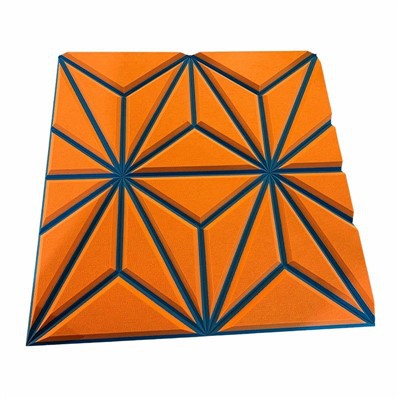

Hey there! As an acoustic panels supplier, I get asked a bunch of questions about the difference between acoustic panels and soundproofing materials. It's a common confusion, but don't worry, I'm here to break it down for you in a super easy - to - understand way.
What are Acoustic Panels?
Acoustic panels are like the quiet superheroes of the sound world. Their main job is to control the echoes and reverberations in a room. When sound waves hit a hard surface like a bare wall, they bounce right back, creating echoes. These echoes can make a room sound chaotic, especially in spaces like recording studios, classrooms, or conference rooms.


Acoustic panels are made from materials that absorb sound waves. They have a porous structure that allows the sound waves to enter and then dissipate the energy as heat. This helps in creating a more balanced and clear sound environment.
For example, our Grooved Acoustic Panel is an excellent choice for those looking to improve the acoustics in a room. The grooves on the panel increase the surface area, which in turn enhances the sound absorption capabilities. It's not only functional but also looks pretty cool, adding a touch of style to any space.
What are Soundproofing Materials?
On the other hand, soundproofing materials are all about keeping sound from getting in or out of a room. They're like the bodyguards of sound. These materials are designed to block the transmission of sound waves between different areas.
Imagine you have a home theater in your basement. You don't want the loud movie sounds disturbing the rest of the house, and you also don't want outside noises like traffic or neighbors to interfere with your movie - watching experience. That's where soundproofing materials come in.
Common soundproofing materials include dense and heavy materials like mass - loaded vinyl, thick drywall, and special insulation. These materials work by reflecting and absorbing sound waves, reducing the amount of sound that can pass through.
Key Differences
Purpose
The most significant difference between acoustic panels and soundproofing materials is their purpose. Acoustic panels are for improving the sound quality within a room by reducing echoes and reverberations. Soundproofing materials, however, are focused on preventing sound from entering or leaving a room.
Let's say you're setting up a music practice room. If you use only soundproofing materials, the room might be quiet from the outside, but the sound inside might still be a mess because of all the echoes. You'd need acoustic panels to make the music sound clear and pleasant to listen to.
How They Work
Acoustic panels work through absorption. As I mentioned earlier, their porous structure allows sound waves to get trapped and turn their energy into heat. Soundproofing materials, on the other hand, work through a combination of reflection and absorption. The dense nature of these materials reflects a large portion of the sound waves, while the internal structure absorbs some of the remaining energy.
Appearance and Placement
Acoustic panels often come in various shapes, sizes, and colors, which makes them a great addition to the interior design of a room. They can be mounted on walls, ceilings, or even used as free - standing partitions. You can use our Felt Wall Panels to add a soft and stylish look to your room while improving the acoustics.
Soundproofing materials, however, are usually less about aesthetics and more about functionality. They are often installed in areas where they won't be seen, like inside walls, between floors, or in ceilings. You might not even know they're there, but they're doing their job of keeping the sound in check.
Specific Examples of Acoustic Panels
We offer a range of acoustic panels to suit different needs and budgets.
The 9mm PET Panels are lightweight and easy to install. They're made from recycled PET materials, which is not only eco - friendly but also provides good sound absorption. These panels are perfect for small rooms or home offices where you want to quickly improve the acoustics without spending a fortune.
Our 24mm PET Panels are a step up in terms of sound absorption. The thicker panels can handle a wider range of frequencies, making them ideal for larger spaces like concert halls or auditoriums.
The Slat Pet Felt Panels have a unique design that combines the functionality of acoustic panels with a modern look. The slats add an interesting texture to the room while still effectively reducing echoes.
When to Use Which
Using Acoustic Panels
If you're in a space where you need to communicate clearly, like a conference room or a classroom, acoustic panels are a must. They'll help ensure that everyone can hear each other without any distractions from echoes.
Recording studios also rely heavily on acoustic panels. Musicians and sound engineers need a controlled acoustic environment to capture the best - quality sound.
Using Soundproofing Materials
If you live in a noisy area or have a room where you want to keep the noise level down, soundproofing materials are essential. A bedroom in a busy city, a home office in a shared building, or a music studio near a residential area could all benefit from soundproofing.
Why Choose Our Acoustic Panels
As a supplier of acoustic panels, we take pride in offering high - quality products. Our panels are rigorously tested to ensure they meet the highest standards of sound absorption. We also offer a wide range of options in terms of size, shape, and color, so you can find the perfect panels to match your space and style.
We understand that every project is unique, and we're here to help you choose the right panels for your needs. Whether you're a professional in the audio industry or just looking to improve the sound in your home, our team of experts is ready to assist you.
Reach Out for Procurement
If you're interested in purchasing acoustic panels for your project, we'd love to hear from you. We can provide you with detailed information about our products, pricing, and installation options. Don't hesitate to get in touch for procurement and let's start creating a better acoustic environment together.
References
- "Sound and Vibration Handbook" by Cyril M. Harris.
- "Acoustic Absorbers and Diffusers: Theory, Design and Application" by Trevor J. Cox and Peter D'Antonio.