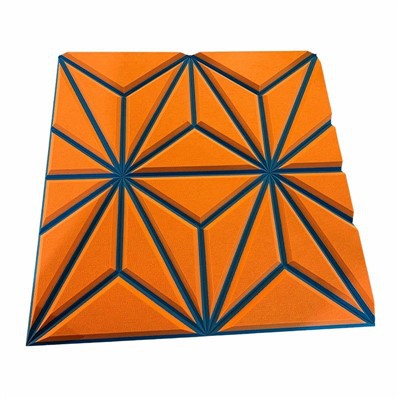

As a provider of Acoustic Screens, I often encounter questions from customers about whether these products require professional installation. This blog post aims to delve into this topic, providing a comprehensive analysis based on scientific knowledge and practical experience.
The Complexity of Acoustic Screen Installation
Acoustic screens are designed to reduce noise transmission and improve the acoustic environment in various settings, such as offices, classrooms, and residential spaces. Their effectiveness depends not only on the quality of the screen material but also on the proper installation.
The installation process involves several technical aspects. First, the placement of the acoustic screen is crucial. It needs to be positioned in a way that maximizes its sound - blocking capabilities. For example, in an open - plan office, the screen should be placed between workstations to create a more private and quiet workspace. Incorrect placement may result in sound leakage and reduced acoustic performance.
Second, the mounting of the acoustic screen requires precision. If the screen is not mounted securely, it may vibrate when exposed to sound waves, which can generate additional noise and compromise the overall acoustic effect. Different types of acoustic screens may require different mounting methods, such as wall - mounting, freestanding, or ceiling - hanging. Each method has its own set of installation requirements and challenges.
Advantages of Professional Installation
Technical Expertise
Professional installers have in - depth knowledge of acoustic principles and installation techniques. They can accurately assess the acoustic needs of a space and determine the most suitable installation method for the acoustic screen. For instance, they can calculate the optimal height and angle of the screen to achieve the best sound - blocking results. Their expertise also allows them to handle any unforeseen issues that may arise during the installation process, such as uneven walls or structural limitations.
Quality Assurance
When you hire a professional installation service, you can expect a high - quality installation. Professional installers are trained to follow strict installation standards and use the appropriate tools and materials. This ensures that the acoustic screen is installed correctly and functions as intended. They also provide a warranty for their work, giving you peace of mind knowing that any installation - related problems will be addressed.
Time - Saving
Installing an acoustic screen can be a time - consuming process, especially if you are not familiar with the installation procedures. Professional installers have the experience and efficiency to complete the installation quickly and smoothly. They can also coordinate with other contractors or building management if necessary, minimizing disruptions to your daily operations.
Situations Where DIY Installation May Be Feasible
Simple and Small - Scale Installations
For small and relatively simple acoustic screen installations, such as a single freestanding screen in a small room, DIY installation may be a viable option. These types of installations usually do not require complex mounting or precise positioning. Most acoustic screens come with detailed installation instructions, and with basic tools and some patience, you can install them yourself.
Cost - Conscious Customers
If you are on a tight budget, DIY installation can save you money on labor costs. However, it is important to note that while you may save on the installation fee, any mistakes made during the installation process could potentially reduce the effectiveness of the acoustic screen and may even require costly repairs or replacements in the future.
Factors to Consider Before Deciding
The Type of Acoustic Screen
Different types of acoustic screens have different installation requirements. For example, Acoustic Room Divider may need to be installed between two fixed points to create a partition, while Acoustic Lighting combines lighting and acoustic functions and may require electrical wiring knowledge for installation. Acoustic Screen products vary in their complexity, and it is essential to understand the specific installation needs of the screen you choose.
The Acoustic Environment
The acoustic environment of the installation site also plays a role in the decision. If the space has high - level noise sources or complex acoustic characteristics, professional installation is recommended to ensure that the acoustic screen can effectively meet the noise - reduction requirements.
Your Skill and Experience
Your own skill level and experience in DIY projects are important factors. If you have prior experience in installing similar products and are confident in your abilities, you may be able to handle the installation yourself. However, if you are unsure or lack the necessary skills, it is better to hire a professional.
Conclusion
In conclusion, while it is possible to install acoustic screens yourself in some cases, professional installation offers many advantages, especially for complex or large - scale installations. Professional installers can ensure that the acoustic screen is installed correctly, providing optimal acoustic performance and long - term reliability.


If you are considering purchasing an acoustic screen for your space, we are here to assist you. Our team of experts can provide you with detailed information about our products, including installation options. Whether you choose professional installation or decide to go the DIY route, we are committed to helping you create a better acoustic environment. Contact us to start the procurement discussion and find the best acoustic solution for your needs.
References
- Acoustic Design Handbook, John Wiley & Sons
- Noise Control Engineering: Principles and Applications, Marcel Dekker