
Hey there! As a supplier of acoustic tiles, I often get asked a super common question: "Can acoustic tiles be painted?" Well, let's dive right into this topic and clear up any confusion.


First off, the short answer is yes, acoustic tiles can usually be painted. But there are a bunch of things to consider before you grab that paintbrush.
Why You Might Want to Paint Acoustic Tiles
There are a few reasons why someone might want to paint their acoustic tiles. Maybe you've got a new interior design scheme going on, and the existing color of the tiles just doesn't fit. Or perhaps the tiles have gotten a bit dirty over time, and a fresh coat of paint can make them look brand new.
Another reason could be for branding purposes. If you're a business, you might want to paint the acoustic tiles in your office to match your company colors. It's a great way to add a personal touch and make your space stand out.
Types of Acoustic Tiles and Their Paintability
There are different types of acoustic tiles out there, and each type might have different paintability.
Fiberglass Acoustic Tiles
Fiberglass acoustic tiles are pretty popular. They're known for their good sound - absorbing properties. The good news is that they're generally paintable. However, you need to be careful when painting them. Fiberglass can be a bit fragile, so you don't want to use a super rough brush or apply too much pressure. A light - touch painting job is best.
Mineral Wool Acoustic Tiles
Mineral wool tiles are also common. They're quite durable and can handle a bit more abuse. Painting these tiles is usually straightforward. You just need to make sure the surface is clean before you start painting. Any dust or debris on the tiles can affect the paint's adhesion.
Wood Acoustic Tiles
Wooden acoustic tiles give a warm and natural look to a space. They can definitely be painted, but you might want to consider staining them instead. Staining can enhance the natural grain of the wood, giving it a more unique appearance. If you do choose to paint wooden acoustic tiles, make sure to use a paint that's suitable for wood surfaces.
Preparing the Acoustic Tiles for Painting
Before you start painting, it's crucial to prepare the tiles properly. Here's what you need to do:
Clean the Tiles
Use a soft brush or a vacuum cleaner to remove any dust, dirt, or cobwebs from the tiles. You can also use a mild detergent and water solution to wipe them down. Make sure to let the tiles dry completely before you start painting.
Sand the Surface
Lightly sanding the tiles can help the paint adhere better. Use a fine - grit sandpaper and gently sand the surface in a circular motion. Be careful not to sand too hard, as you don't want to damage the tiles.
Prime the Tiles
Applying a primer is a good idea. A primer helps the paint stick to the tiles and can also improve the overall finish. Choose a primer that's suitable for the type of acoustic tiles you have.
Choosing the Right Paint
Not all paints are created equal when it comes to acoustic tiles. Here are some things to keep in mind when choosing paint:
Acrylic Paint
Acrylic paint is a popular choice for painting acoustic tiles. It dries quickly, is easy to clean up, and comes in a wide range of colors. It also has good adhesion properties, which is important for a long - lasting paint job.
Latex Paint
Latex paint is another option. It's environmentally friendly and has low VOC (volatile organic compound) levels, which is great for indoor spaces. Latex paint is also easy to apply and can provide a smooth finish.
Oil - Based Paint
Oil - based paint is more durable and can give a high - gloss finish. However, it takes longer to dry, has a strong odor, and can be more difficult to clean up. It's not always the best choice for acoustic tiles, especially if you're painting in a small or poorly ventilated area.
Painting the Acoustic Tiles
Once you've prepared the tiles and chosen the right paint, it's time to start painting. Here are some tips:
Use a Good Brush or Roller
A high - quality brush or roller will give you a better finish. A brush is great for getting into the corners and edges, while a roller is faster for covering large areas.
Apply Thin Coats
It's better to apply several thin coats of paint rather than one thick coat. This will help prevent drips and ensure a more even finish. Let each coat dry completely before applying the next one.
Work in Sections
Divide the tiles into sections and paint one section at a time. This will make the painting process more manageable and help you keep track of what you've painted.
Effects on Acoustic Performance
One concern that some people have is whether painting acoustic tiles will affect their sound - absorbing properties. In most cases, a thin layer of paint won't have a significant impact on the acoustic performance of the tiles. However, if you apply a very thick layer of paint or use a paint that's not breathable, it could potentially reduce the tiles' ability to absorb sound.
Our Acoustic Tiles Offerings
At our company, we offer a wide range of acoustic tiles. If you're looking for acoustic tiles for walls, check out our Acoustic Tiles For Walls. They're great for both commercial and residential spaces.
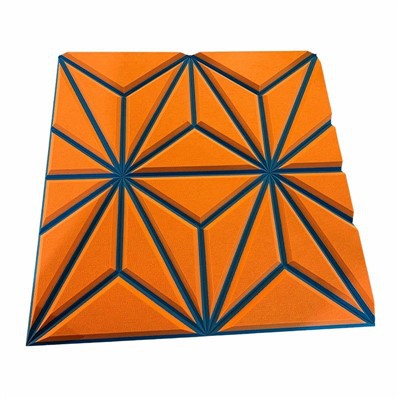
We also have Hexagon Acoustic Panels, which add a unique and modern touch to any room. And if you're into a more three - dimensional look, our 3D Acoustic Panels are a great option.
Contact Us for Your Acoustic Tile Needs
If you're interested in purchasing acoustic tiles or have any questions about painting them, we're here to help. Whether you're a homeowner looking to improve the sound quality in your living room or a business owner in need of acoustic solutions for your office, we've got you covered. Reach out to us to start a conversation about your specific requirements and get a quote.
References
- Acoustical Society of America. "Acoustic Materials and Their Applications."
- National Paint and Coatings Association. "Guide to Choosing the Right Paint."