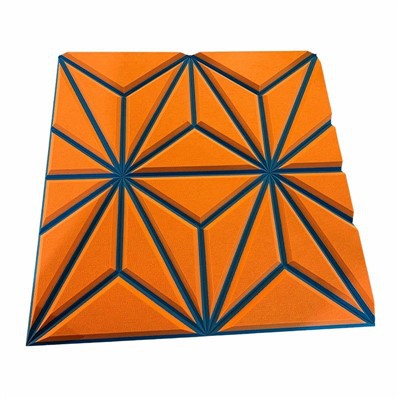

As a supplier of Acoustic Screens, I've been constantly asked about the recyclability of these products. This is a crucial topic in today's environmentally - conscious world, as more and more consumers are looking for sustainable solutions. In this blog, I will delve into the question of whether acoustic screens can be recycled.
Understanding Acoustic Screens
Acoustic screens are designed to absorb, reflect, or dampen sound waves, making them an essential component in various settings such as offices, theaters, and recording studios. They come in different shapes, sizes, and materials. Common materials used in acoustic screens include fiberglass, mineral wool, and fabric.
Fiberglass is a popular choice due to its excellent sound - absorbing properties. It consists of fine glass fibers that trap sound waves. Mineral wool, on the other hand, is made from natural or synthetic minerals and also offers good acoustic performance. Fabric - covered acoustic screens are often used for a more aesthetically pleasing look. They can be made from various types of fabrics, which are usually backed with a sound - absorbing material.
The Recycling Potential of Different Materials
Fiberglass
Fiberglass acoustic screens can be recycled, but the process is not straightforward. Fiberglass is a composite material, and recycling it requires specialized equipment. The recycling process typically involves breaking down the fiberglass into its basic components. Once broken down, the glass fibers can be reused to make new fiberglass products. However, there are some challenges. Fiberglass can be difficult to separate from other materials that may be part of the acoustic screen, such as adhesives or frames.
Recycling facilities need to have the right technology to handle fiberglass properly. In some cases, the cost of recycling fiberglass acoustic screens may be relatively high, which can discourage some companies from recycling. But as technology improves and the demand for sustainable solutions grows, more and more recycling options are becoming available.
Mineral Wool
Mineral wool is more environmentally friendly compared to some other materials in terms of recyclability. It can be recycled into new mineral wool products. The recycling process involves melting the used mineral wool and reforming it into new insulation or acoustic materials. This process is relatively efficient and can significantly reduce the amount of waste going to landfills.
One of the advantages of mineral wool recycling is that it retains its acoustic properties even after recycling. This means that recycled mineral wool can be used to make high - quality acoustic screens, which is a great benefit for both the environment and the industry.
Fabric
Fabric - covered acoustic screens also have recycling potential. The fabric can often be separated from the sound - absorbing backing. Depending on the type of fabric, it can be recycled into new textiles or used for other purposes. For example, natural fabrics like cotton or wool can be recycled into new clothing or home textiles. Synthetic fabrics may require more specialized recycling processes, but there are also solutions available.
The Importance of Recycling Acoustic Screens
Recycling acoustic screens has several benefits. Firstly, it reduces the environmental impact. By recycling, we can conserve natural resources and reduce the amount of waste that ends up in landfills. This is especially important considering the large number of acoustic screens that are produced and used every year.


Secondly, recycling can also be cost - effective in the long run. As the cost of raw materials continues to rise, using recycled materials can help reduce production costs. For acoustic screen suppliers like me, this can translate into more competitive pricing for our customers.
Finally, recycling acoustic screens can enhance a company's reputation. In today's market, consumers are more likely to choose products from companies that are committed to sustainability. By promoting the recyclability of our acoustic screens, we can attract more environmentally - conscious customers.
Challenges in Recycling Acoustic Screens
Despite the potential for recycling, there are several challenges. One of the main challenges is the lack of awareness among consumers and businesses about the recyclability of acoustic screens. Many people are not sure how to recycle these products or where to take them. This lack of awareness can lead to acoustic screens being discarded in landfills instead of being recycled.
Another challenge is the complexity of the recycling process. As mentioned earlier, some materials used in acoustic screens, such as fiberglass, require specialized equipment and processes for recycling. This can make the recycling process more expensive and less accessible for some companies.
Our Role as a Supplier
As a supplier of Acoustic Screen, we are committed to promoting the recyclability of our products. We provide information to our customers about how to recycle our acoustic screens. We also work with recycling facilities to ensure that our products can be recycled efficiently.
We are constantly researching and developing new materials and designs that are more easily recyclable. For example, we are exploring the use of more sustainable materials in our acoustic screens, such as bio - based materials. These materials are not only more environmentally friendly but also easier to recycle.
Related Products and Their Recycling Potential
In addition to acoustic screens, we also offer Acoustic Lighting and Acoustic Room Divider. These products also have recycling potential.
Acoustic lighting fixtures often use similar materials as acoustic screens, such as fiberglass or fabric. The lighting components can be separated from the acoustic parts, and each can be recycled separately. For example, the metal parts of the lighting fixture can be recycled into new metal products, while the acoustic materials can be recycled as described above.
Acoustic room dividers are also made from various materials. The frames can be made of wood, metal, or plastic, all of which have well - established recycling processes. The acoustic panels within the dividers can be recycled in the same way as acoustic screens.
Encouraging Recycling in the Industry
To encourage more widespread recycling of acoustic screens and related products, the industry needs to work together. Manufacturers should design products with recyclability in mind from the start. This includes using materials that are easy to separate and recycle, and avoiding the use of complex composites that are difficult to break down.
Recycling facilities need to invest in the necessary technology to handle different types of acoustic materials. This will make the recycling process more efficient and cost - effective.
Consumers also play an important role. They should be educated about the importance of recycling acoustic screens and how to do it properly. By making informed choices, consumers can drive the demand for sustainable products and encourage the industry to adopt more environmentally friendly practices.
Contact Us for Your Acoustic Needs
If you are interested in purchasing high - quality acoustic screens, acoustic lighting, or acoustic room dividers, we are here to help. Our products are designed with both performance and sustainability in mind. We are committed to providing you with the best solutions for your acoustic needs. Whether you are an architect, interior designer, or business owner, we can offer you customized products that meet your specific requirements.
References
- Smith, J. (2020). Recycling of Building Materials. New York: Green Press.
- Johnson, A. (2019). Acoustic Materials and Their Applications. London: Acoustic Publishing.
- Environmental Protection Agency. (2021). Guidelines for Recycling Composite Materials. Washington D.C.: EPA.