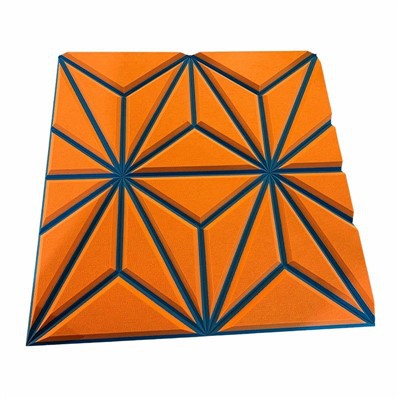

As a supplier of acoustic partitions, I often get asked whether these partitions can be effectively used in conference rooms. The answer is a resounding yes, and in this blog post, I'll delve into the reasons why acoustic partitions are an excellent choice for conference rooms, exploring their benefits, functionality, and how they can enhance the overall meeting experience.
The Importance of Acoustic Quality in Conference Rooms
Conference rooms are spaces where important discussions, presentations, and decision - making take place. High - quality acoustics are essential to ensure that participants can clearly hear each other, understand the content being presented, and engage in productive conversations. Poor acoustics can lead to distractions, misunderstandings, and a decrease in the overall efficiency of the meeting.


Excessive noise, such as echoes, background chatter, or external sounds, can interfere with communication. For instance, if a conference room has hard, reflective surfaces, sound waves can bounce around, creating echoes that make it difficult to distinguish individual voices. In a large conference room, this problem can be even more pronounced. Acoustic partitions are designed to address these issues, making them a crucial addition to any conference room setting.
Benefits of Using Acoustic Partitions in Conference Rooms
Noise Reduction
One of the primary benefits of acoustic partitions is their ability to reduce noise. These partitions are made from materials that absorb sound waves, preventing them from bouncing off walls and other surfaces. By installing acoustic partitions in a conference room, you can significantly reduce the amount of background noise, creating a quieter and more focused environment. For example, if the conference room is located near a busy hallway or a noisy area of the building, acoustic partitions can act as a barrier, blocking out unwanted sounds.
Flexibility
Acoustic partitions offer a high degree of flexibility. They can be easily moved, reconfigured, or removed as needed. This is particularly useful in conference rooms that need to be adapted for different types of meetings or events. For instance, if you have a large conference room that needs to be divided into smaller breakout rooms for group discussions, acoustic partitions can be quickly set up to create separate spaces. Once the meeting is over, the partitions can be removed, and the room can be restored to its original configuration.
Privacy
In a conference room, privacy is often a concern, especially when discussing sensitive information. Acoustic partitions can provide an additional layer of privacy by reducing the amount of sound that escapes from the room. This is important not only for keeping confidential information secure but also for preventing distractions from affecting other areas of the building.
Aesthetic Appeal
Modern acoustic partitions come in a variety of styles, colors, and designs, allowing you to choose ones that complement the overall decor of your conference room. They can enhance the visual appeal of the space while also providing functional benefits. For example, you can select partitions with a sleek and contemporary design to give your conference room a modern and professional look.
Types of Acoustic Partitions Suitable for Conference Rooms
Acoustic Screen
Acoustic screens are a popular choice for conference rooms. They are typically freestanding and can be easily moved around the room. Acoustic Screen is a great option for creating temporary partitions or for adding an extra layer of sound absorption in specific areas of the room. They are available in different sizes and shapes, making them suitable for a variety of conference room layouts.
Acoustic Lighting
Acoustic lighting combines the functionality of lighting with sound absorption. These partitions not only provide illumination but also help to reduce noise in the room. Acoustic Lighting can be a great addition to a conference room, as they can improve both the lighting conditions and the acoustic environment. They are often designed to be aesthetically pleasing, adding a touch of elegance to the space.
Acoustic Room Divider
Acoustic room dividers are permanent or semi - permanent partitions that can be used to divide a large conference room into smaller, more private spaces. Acoustic Room Divider are available in different materials, such as wood, fabric, or glass, and can be customized to fit the specific needs of your conference room. They are ideal for creating dedicated areas for presentations, discussions, or breakouts.
Installation and Maintenance of Acoustic Partitions in Conference Rooms
Installation
The installation of acoustic partitions in a conference room is relatively straightforward. However, it is important to ensure that the partitions are installed correctly to achieve the best results. Professional installation is recommended, as it can ensure that the partitions are properly aligned and that there are no gaps that could allow sound to leak through.
Maintenance
Acoustic partitions are generally low - maintenance. Regular cleaning with a mild detergent and a soft cloth is usually sufficient to keep them looking and performing their best. It is also important to inspect the partitions periodically for any signs of damage, such as tears or dents, and to repair or replace them as needed.
Case Studies: Acoustic Partitions in Conference Rooms
Let's take a look at a few real - world examples of how acoustic partitions have been used in conference rooms.
Case Study 1: A Corporate Conference Center
A large corporate conference center was experiencing problems with excessive noise and poor acoustics in its main conference room. The room had hard, reflective surfaces, which caused echoes and made it difficult for participants to hear each other. The management decided to install acoustic partitions in the room. After the installation, the noise level was significantly reduced, and the clarity of speech improved. Participants reported that they could now focus better on the presentations and discussions, leading to more productive meetings.
Case Study 2: A University Conference Room
A university had a conference room that was used for a variety of events, including lectures, seminars, and group discussions. The room needed to be flexible and adaptable to different types of meetings. Acoustic partitions were installed to provide the flexibility to divide the room into smaller spaces as needed. The partitions also helped to improve the acoustic quality of the room, making it more comfortable for participants.
Conclusion
In conclusion, acoustic partitions are an excellent choice for conference rooms. They offer numerous benefits, including noise reduction, flexibility, privacy, and aesthetic appeal. With a variety of types available, such as Acoustic Screen, Acoustic Lighting, and Acoustic Room Divider, you can find the perfect solution to meet the specific needs of your conference room.
If you are considering improving the acoustics of your conference room, I encourage you to contact us for more information. Our team of experts can help you choose the right acoustic partitions for your space and provide you with professional installation and support. We are committed to providing high - quality products and services that will enhance the functionality and comfort of your conference room.
References
- Alton, R. (2018). Acoustics in Modern Office Spaces. Journal of Building Design, 22(3), 123 - 135.
- Brown, S. (2020). The Impact of Acoustic Treatments on Conference Room Performance. International Journal of Workplace Studies, 15(2), 78 - 90.
- Clark, T. (2019). Flexible Acoustic Solutions for Meeting Spaces. Proceedings of the Acoustics Conference, 45 - 52.