
Can PET Acoustic Panels be Cut to Size?
As a supplier of PET acoustic panels, I often get asked whether these panels can be cut to size. The answer is a resounding yes! PET acoustic panels offer a great deal of flexibility when it comes to customization, and cutting them to specific dimensions is both possible and practical.
Understanding PET Acoustic Panels
PET, or polyethylene terephthalate, is a widely used thermoplastic polymer. In the context of acoustic panels, PET is transformed into a material that not only has excellent sound - absorbing properties but is also environmentally friendly. These panels are made from recycled PET bottles, which gives them an added edge in today's eco - conscious market.
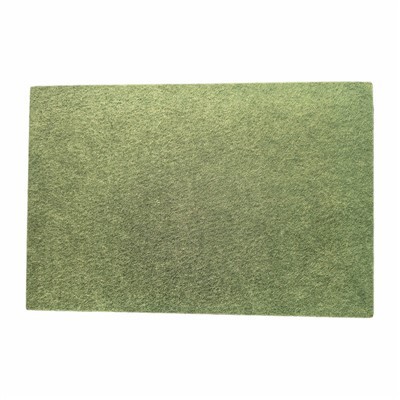
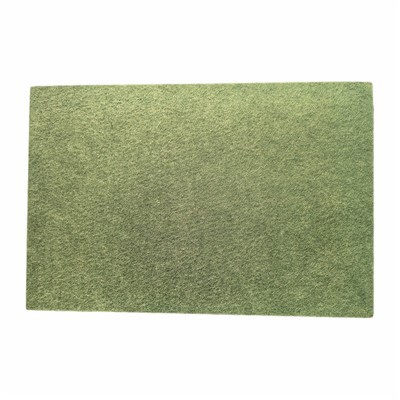
PET acoustic panels come in various forms, such as PET Tiles, PET Felt Panels, and Black PET Panels. Each type has its own unique characteristics and aesthetic appeal, but all of them can be cut to fit different spaces.
Why Cutting to Size is Necessary
In real - world applications, acoustic panels need to fit precisely into specific areas. Construction projects often have irregularly shaped rooms, hallways, or niches where standard - sized panels won't work. For example, in a renovated historical building, the wall dimensions may not conform to the standard panel sizes. Cutting the PET acoustic panels allows for a seamless installation that maximizes the sound - absorbing capabilities of the panels while also enhancing the overall visual appeal of the space.
Another reason is cost - efficiency. By cutting panels to size, you can minimize waste. Instead of purchasing larger panels and having to discard the excess, you can order the exact amount of material needed for your project. This not only saves money but also reduces the environmental impact associated with waste disposal.
How to Cut PET Acoustic Panels
Cutting PET acoustic panels is a relatively straightforward process, but it does require some basic tools and safety precautions.
Tools Needed
- A sharp utility knife: This is the most common tool for cutting PET acoustic panels. A sharp blade ensures a clean cut and reduces the risk of fraying or damaging the panel.
- A straightedge: A metal or plastic straightedge helps to guide the knife and ensures a straight cut.
- Measuring tape: Accurate measurements are crucial for cutting the panels to the correct size.
Steps for Cutting
- Measure and Mark: Use the measuring tape to measure the dimensions you need. Mark the panel with a pencil or a marker, following the straightedge to ensure a straight line.
- Cut: Place the straightedge along the marked line and use the utility knife to make a series of light cuts along the line. Apply gentle pressure and repeat the cuts until the panel is completely cut through. It's important to cut slowly and steadily to avoid jagged edges.
- Smooth the Edges: After cutting, you may notice some rough edges. You can use sandpaper to smooth these edges, giving the panel a more professional finish.
Considerations for Cutting
While cutting PET acoustic panels is possible, there are a few things to keep in mind.
Thickness: The thickness of the panel can affect the cutting process. Thicker panels may require more effort to cut and may need a more powerful cutting tool. However, most standard PET acoustic panels can be easily cut with a utility knife.
Acoustic Performance: Cutting the panels should not significantly affect their acoustic performance. However, it's important to ensure that the cut edges are smooth and that the panel remains intact. Any damage to the panel could potentially reduce its sound - absorbing capabilities.
Safety: When cutting the panels, it's important to wear safety goggles and gloves to protect yourself from any sharp edges or debris. Also, make sure to work in a well - ventilated area to avoid inhaling any dust that may be generated during the cutting process.
Applications of Custom - Cut PET Acoustic Panels
Custom - cut PET acoustic panels have a wide range of applications.


Commercial Spaces: In offices, conference rooms, and restaurants, custom - cut panels can be used to control noise levels and create a more comfortable environment. They can be installed on walls, ceilings, or partitions to absorb sound and reduce echo.
Residential Spaces: In homes, these panels can be used in home theaters, bedrooms, or living rooms to improve the acoustics. They can be cut to fit around windows, doors, or other architectural features.
Educational Institutions: Schools and universities can benefit from custom - cut PET acoustic panels in classrooms, libraries, and auditoriums. These panels can help to create a more conducive learning environment by reducing background noise.
Conclusion
In conclusion, PET acoustic panels can definitely be cut to size. Their flexibility makes them an ideal choice for a variety of applications where custom dimensions are required. Whether you're working on a small residential project or a large commercial development, cutting PET acoustic panels to fit your specific needs is both feasible and beneficial.
If you're interested in purchasing PET acoustic panels for your project and need them cut to size, we're here to help. Our team of experts can provide you with the guidance and support you need to ensure a successful installation. Contact us to discuss your requirements and start your acoustic improvement project today.
References
- "Acoustic Materials Handbook", John Wiley & Sons
- "Sustainable Building Materials: PET - based Products", Elsevier