
As a supplier of felt acoustic panels, I often get asked about their resistance to mold and mildew. This is a crucial concern, especially in environments where humidity can be an issue. In this blog, I'll delve into the science behind the mold and mildew resistance of felt acoustic panels, share some real - world experiences, and provide tips on maintaining their quality.
Understanding Mold and Mildew
Mold and mildew are types of fungi that thrive in warm, damp, and dark environments. They reproduce by releasing spores into the air, which can settle on various surfaces. When these spores land on a suitable surface with the right conditions of moisture, temperature, and nutrients, they start to grow. Mold and mildew not only look unsightly but can also pose health risks, especially for those with respiratory issues or allergies.
Felt Acoustic Panels: A Closer Look
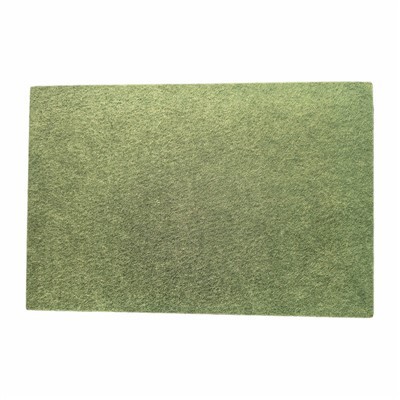
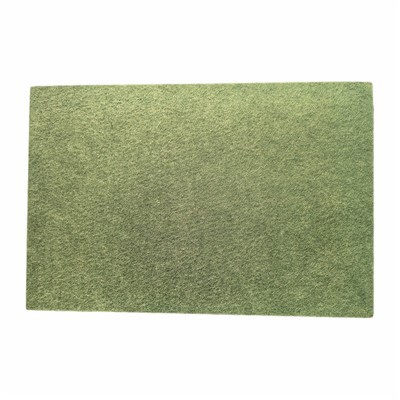
Felt acoustic panels, such as our Felt Acoustic Wall Panel, Felt Panels, and Felt Wall Panels, are made from a combination of natural or synthetic fibers. The composition of these fibers plays a significant role in their resistance to mold and mildew.
Natural Fibers
Natural fibers like wool are commonly used in felt acoustic panels. Wool has inherent properties that make it relatively resistant to mold and mildew. Wool fibers are porous, which allows them to absorb and release moisture without becoming saturated. This means that even in a humid environment, the wool can maintain a balanced level of moisture, making it less likely for mold and mildew to grow. Additionally, wool contains lanolin, a natural wax that has antibacterial and antifungal properties. These properties help to inhibit the growth of mold and mildew on the surface of the felt.
Synthetic Fibers
Synthetic fibers, such as polyester, are also used in felt acoustic panels. Synthetic fibers are generally less absorbent than natural fibers, which means they are less likely to retain moisture. This reduced moisture retention makes it more difficult for mold and mildew to establish a foothold on the panels. However, it's important to note that if the panels are exposed to excessive moisture for an extended period, even synthetic fibers can become susceptible to mold growth.
Real - World Experiences
In my years as a supplier, I've received feedback from customers in various environments. For example, in a recording studio located in a coastal area with high humidity, our felt acoustic panels have been installed for several years without any signs of mold or mildew. The studio owner was initially concerned about the potential for mold growth, but after proper installation and regular maintenance, the panels have remained in excellent condition.


On the other hand, in a basement with poor ventilation and frequent water leaks, some customers have reported minor mold growth on the edges of the felt acoustic panels. This highlights the importance of proper installation and environmental conditions in preventing mold and mildew.
Factors Affecting Mold and Mildew Resistance
Humidity Levels
Humidity is one of the most significant factors affecting the growth of mold and mildew on felt acoustic panels. In areas with high humidity, such as bathrooms, basements, or coastal regions, the risk of mold growth is higher. To mitigate this risk, it's important to keep the humidity levels in the environment under control. Using a dehumidifier can help to reduce the moisture in the air, making it less favorable for mold and mildew to grow.
Ventilation
Proper ventilation is crucial for preventing mold and mildew on felt acoustic panels. Good air circulation helps to remove moisture from the environment and prevents the buildup of stagnant air. In rooms with poor ventilation, such as closets or small storage areas, mold and mildew are more likely to grow. Installing fans or opening windows can improve ventilation and reduce the risk of mold growth.
Installation
The way the felt acoustic panels are installed can also affect their resistance to mold and mildew. Panels should be installed on a dry, clean surface, and there should be sufficient space between the panels and the wall to allow for air circulation. If the panels are installed too tightly against the wall, moisture can become trapped, increasing the risk of mold growth.
Maintenance Tips
Regular Cleaning
Regular cleaning of the felt acoustic panels can help to prevent mold and mildew growth. Use a soft brush or a vacuum cleaner with a soft brush attachment to remove dust and debris from the surface of the panels. Avoid using harsh chemicals or abrasive cleaners, as these can damage the felt fibers.
Inspection
Periodically inspect the felt acoustic panels for any signs of mold or mildew. Look for discoloration, musty odors, or visible growth on the surface of the panels. If you notice any signs of mold or mildew, take immediate action to address the issue.
Repair and Replacement
If you find that a panel is severely affected by mold or mildew, it may be necessary to replace it. Promptly replacing damaged panels can prevent the spread of mold to other areas.
Conclusion
Felt acoustic panels can be resistant to mold and mildew, especially when made from natural fibers like wool or synthetic fibers with low moisture absorption. However, the resistance of these panels depends on several factors, including humidity levels, ventilation, and proper installation. By following the maintenance tips outlined above, you can ensure that your felt acoustic panels remain in good condition and free from mold and mildew.
If you're interested in purchasing high - quality felt acoustic panels for your project, I encourage you to reach out to us. We can provide you with detailed information about our products and help you choose the right panels for your specific needs. Whether you're building a recording studio, an office, or a home theater, our Felt Acoustic Wall Panel, Felt Panels, and Felt Wall Panels are designed to provide excellent acoustic performance and durability.
References
- "The Properties of Wool" - Woolmark Company
- "Mold and Mildew: Causes and Prevention" - Environmental Protection Agency (EPA)
- "Synthetic Fibers and Their Applications" - Journal of Textile Science and Technology